Like a smoke alarm before a storm, your restoration service page should warn, guide, and convert. You need local keywords, fast load times, and clear service details that match urgent searches in your market. Reviews, case studies, and strong calls to action build trust fast. If your page misses these signals, you’re likely losing high-intent leads to better-optimized competitors, and the gaps aren’t always where you expect.
Key Takeaways
- Use location-specific keywords and service intent, like emergency water damage restoration in Dallas, to match local search demand.
- Write clear, scannable pages with strong H1s, short sections, and fast load times for better SEO and usability.
- Add trust signals such as Google reviews, licensing, insurance, and before-and-after photos to improve credibility.
- Place a clear call to action above the fold and repeat contact buttons throughout the page to drive conversions.
- Audit titles, headings, internal links, and content depth regularly to avoid thin pages and missed local rankings.
What Helps Restoration Pages Rank Locally?
To rank restoration pages locally, you need location-specific content, strong on-page SEO, and trust signals that show you serve the area.
You should build restoration SEO service pages that speak directly to nearby customers and match search intent with precision. Use clear service descriptions, local proof, fast load times, and structured headings that help search engines understand relevance.
You’ll strengthen visibility when you add reviews, project photos, service area details, and consistent business information across your site. Data shows pages with clear local cues and authority markers convert better because they reduce friction and build confidence.
When you optimize each page for one location and one core service, you create a tighter signal set that supports rankings and drives qualified calls.
How Do You Target Local Restoration Keywords?
You target local restoration keywords by matching each page to a specific service and city, then reinforcing that match with phrases people actually search, like “water damage restoration in Dallas” or “mold remediation near me.”
Build your restoration SEO service pages around one primary keyword, a few close variations, and location terms in headings, copy, meta tags, and image alt text.
Prioritize search intent: emergency, insurance, or prevention. Then map each keyword to one page, so you don’t dilute relevance across similar services.
Use Google Search Console and keyword tools to spot terms with real impressions and low competition.
Add neighborhood names, service-area modifiers, and geo terms naturally. This focused structure helps you rank for high-intent queries and turns local search traffic into qualified restoration leads fast.
How Do You Build Trust With Reviews and Proof?
Reviews and proof do the heavy lifting on restoration SEO service pages because they turn claims into trust. You should showcase recent Google reviews, star ratings, and service-specific testimonials near your primary keyword themes.
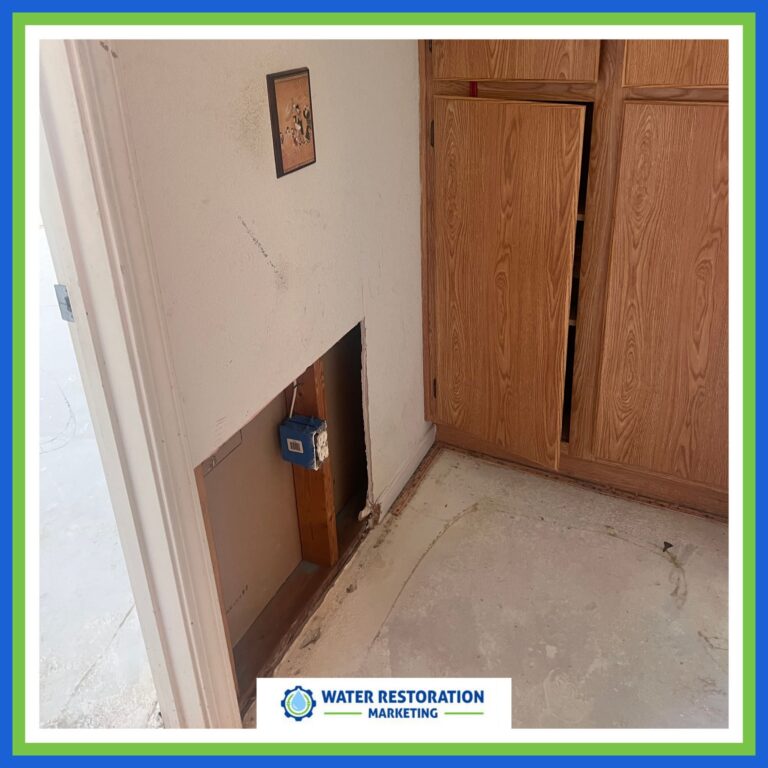
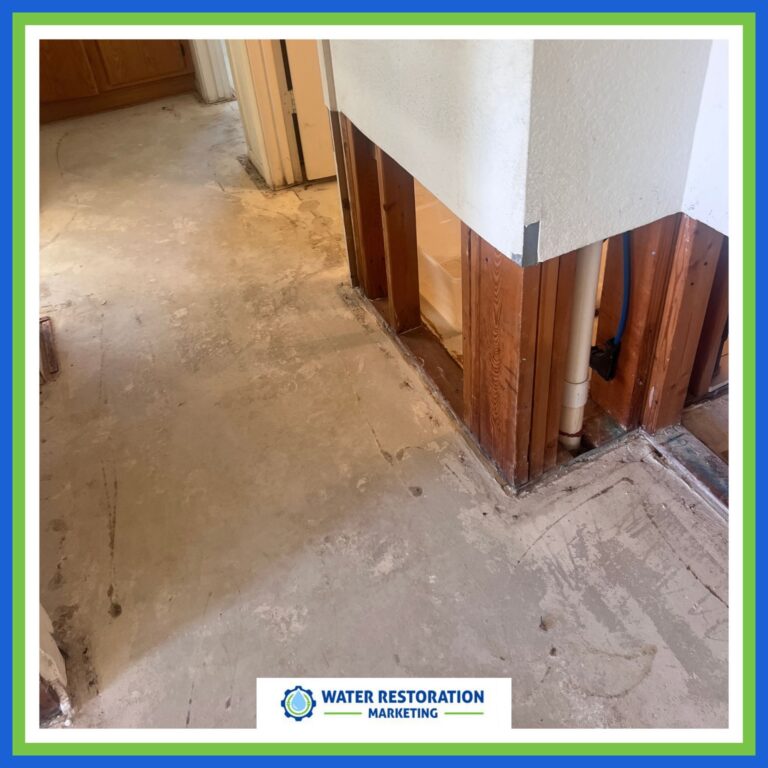
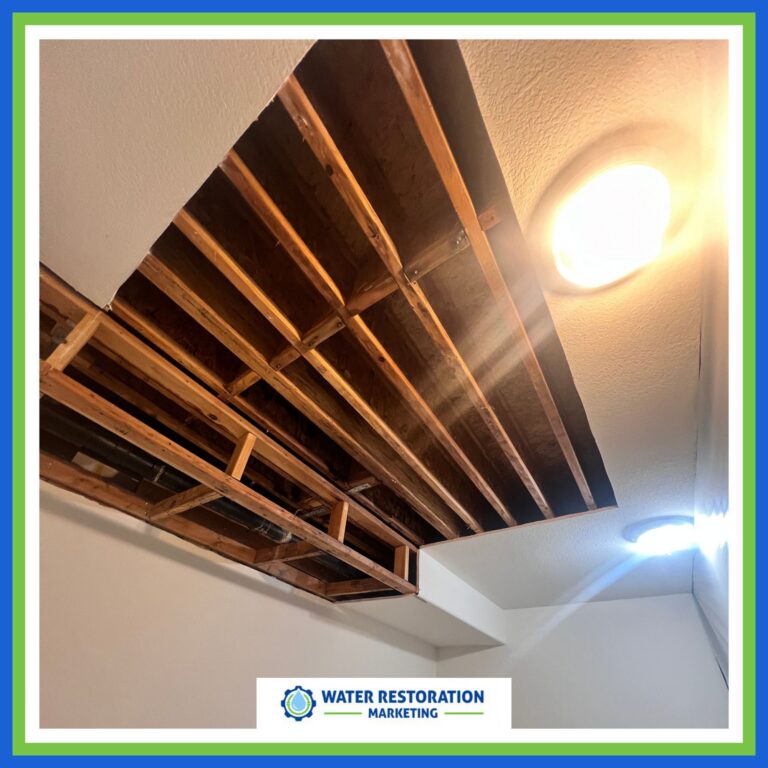
Use names, cities, and project details when permitted, so local relevance feels real. Add before-and-after photos, job-site snapshots, certifications, licensing, insurance, and association badges to reduce friction.
Publish case studies with measurable outcomes, such as response times, square footage restored, or claim close rates. Quote property owners, adjusters, and managers to reinforce credibility from multiple angles.
Keep proof current, verifiable, and easy to scan. When you combine review volume, recency, and tangible evidence, you strengthen local authority and make it easier for qualified visitors to choose you confidently.
How Do You Write Restoration Pages That Convert?
High-converting restoration pages start with a clear promise: match the visitor’s urgent problem to the exact service they need, then guide them to act fast.
You should lead with a service-specific headline, city modifier, and one primary call to action above the fold.
Use short, scannable sections that answer intent: damage type, response time, process, coverage, and proof.
Add conversion signals like licensed, insured, 24/7, and same-day response where true.
You’ll improve engagement by writing for the search query, not around it.
Place phone and form buttons in repeated positions, and keep copy focused on one goal per page.
Data shows pages with clearer offers and frictionless next steps convert better because they reduce uncertainty and speed decisions.
What SEO Problems Hurt Restoration Leads?
Restoration leads often drop when SEO pages miss the searcher’s urgent intent, target the wrong keywords, or bury the call to action under weak content.
You lose high-intent clicks when pages rank for broad terms instead of “water damage restoration near me” or “24/7 mold removal.” Thin copy, slow load times, and weak local signals also suppress rankings and trust.
If you don’t match service-page copy to each city and disaster type, you’ll waste impressions and lower conversions.
- Missed calls during emergencies can feel like lost revenue.
- Generic pages make clients doubt your expertise.
- Weak local SEO leaves faster competitors visible first.
Audit titles, H1s, internal links, reviews, and schema.

Then tighten messaging, prove authority, and make every page drive calls fast.
Frequently Asked Questions
How Many Service Pages Should a Restoration Company Create?
You should create one service page per core restoration service and location you actually serve, usually 10–30 pages. Focus on high-value, search-intent keywords, and you’ll rank locally, build trust, and convert more qualified leads.
Should I Make Separate Pages for Each City?
Yes—you should create separate city pages, like building a custom key for each door. You’ll rank better locally, target intent-rich keywords, and boost conversions with tailored proof, service details, and nearby trust signals.
How Often Should Restoration Service Pages Be Updated?
You should update restoration service pages every 3-6 months, and whenever rankings, offers, or service details change. You’ll improve local SEO, keep content fresh, and convert more qualified leads with stronger trust signals.
What Images Help Restoration Pages Earn More Leads?
You’ll convert more leads with before-and-after damage photos, team-in-action shots, branded trucks, certifications, maps, and local job-site images—clear proof that your restoration service page solves emergencies fast, builds trust, and matches search intent.
Can Blog Posts Support Restoration Service Page Rankings?
Yes. Your blog posts can support service page rankings by building topical authority, capturing long-tail keywords, earning internal links, and boosting engagement. You’ll rank better when each post reinforces one service intent and a local search signal.
Wrap-Up
When your restoration SEO service pages match local intent, trust rises and leads follow. You’ll rank better when you use location keywords, proof from reviews, and clear service details that answer urgent questions fast. The coincidence is simple: the pages that feel most local also convert best. Keep your calls to action visible, your content scannable, and your audits regular, and you’ll turn search traffic into calls, quotes, and booked jobs.