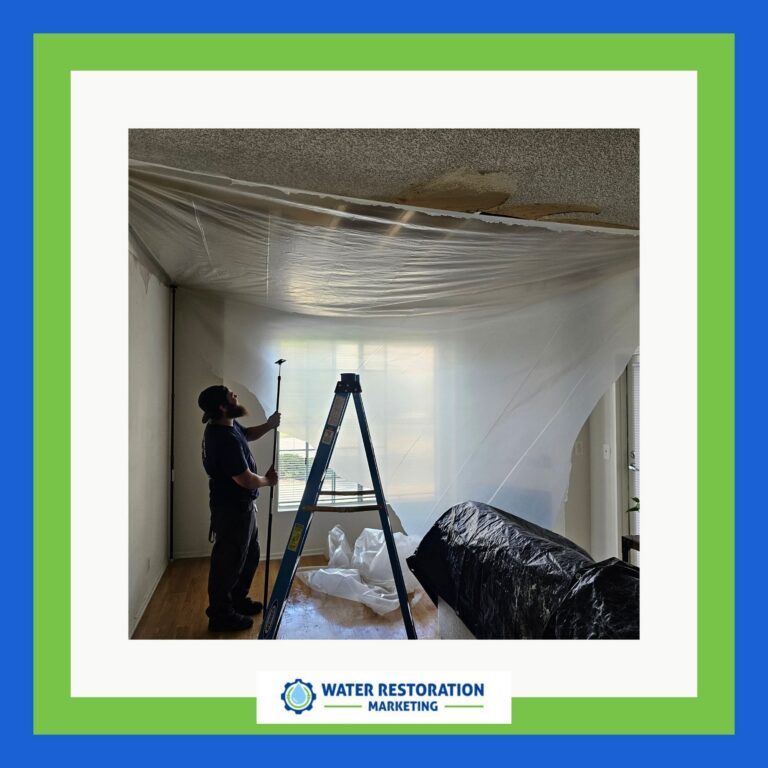
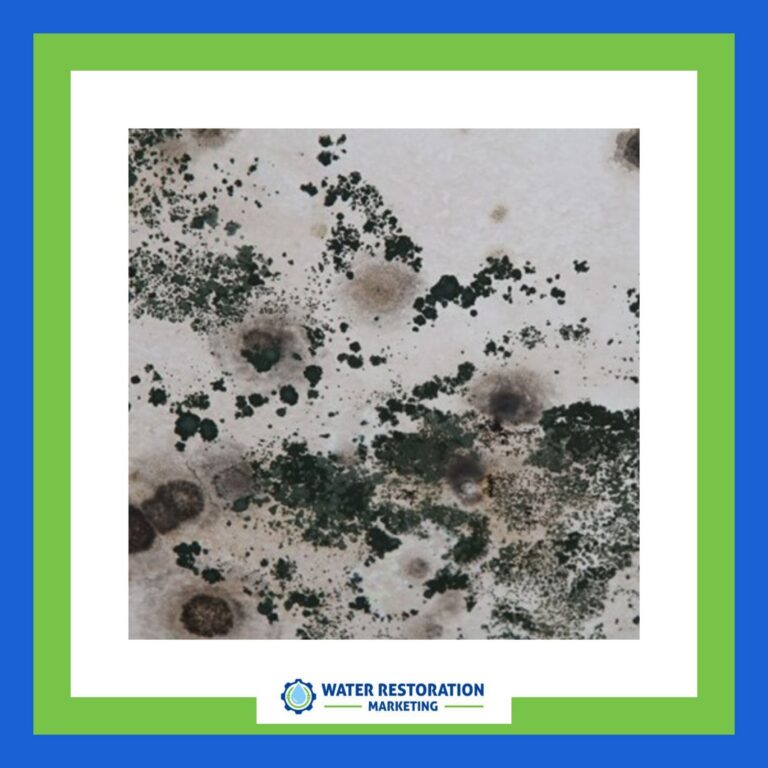
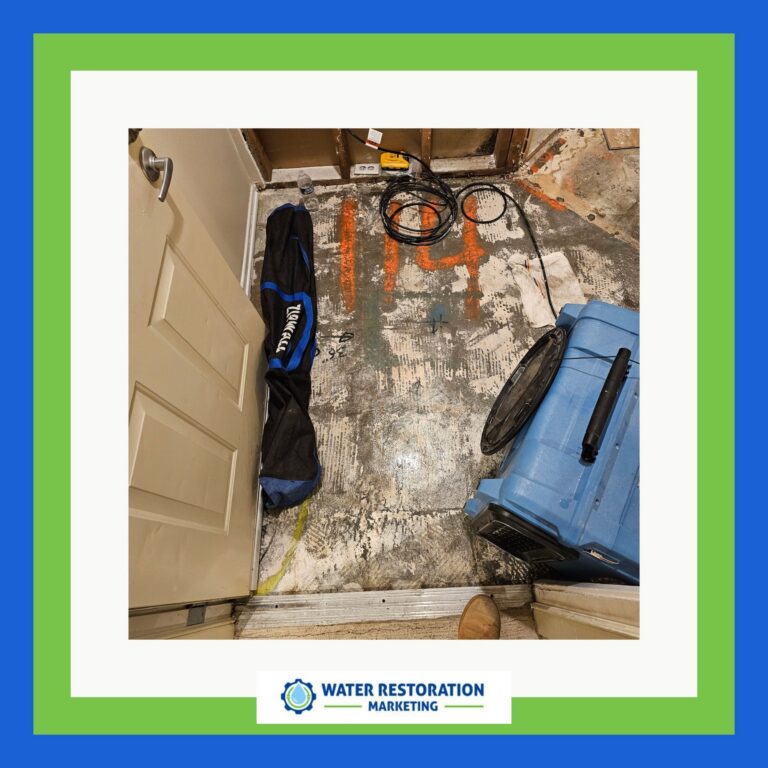
You don’t need a huge budget to win local restoration searches, but you do need a tighter system. When you align your Google Business Profile, build service area pages, and turn jobs into location-specific content, you improve Map Pack visibility and organic reach at the same time. Reviews and tracking then show what’s actually driving calls, leads, and service-area growth—and the next move may be the difference between showing up and getting chosen.
Key Takeaways
- Align your Google Business Profile, service areas, and categories with real restoration jobs to strengthen local relevance.
- Build unique service area pages for each city or district with local details, service terms, and clear calls to action.
- Generate reviews that mention specific services and locations to improve trust and support Map Pack visibility.
- Track calls, form fills, and Map Pack rankings by ZIP code to identify which local pages and keywords drive revenue.
- Review performance weekly and scale the best-performing local tactics into nearby markets for steady organic growth.
What Local Restoration SEO Includes
Local restoration SEO includes the signals that help your company show up when nearby customers need urgent help. It starts with precise service area targeting, a fully aligned Google Business Profile, strong review generation, location-specific content, and clear website signals that reinforce your relevance in each market.
You use local restoration SEO to connect each service line to the right city, ZIP code, and intent pattern. Then you strengthen authority with pages that mirror real demand, track rankings by location, and measure calls, form fills, and map visibility.
You also need consistent NAP data, tightly grouped internal links, and content that proves local experience. When you manage these inputs together, you build a stronger path to the Map Pack and organic growth without wasting spend on broad, low-converting traffic.
Align Your Google Business Profile
You need your Google Business Profile to match the exact service areas you want to rank in, because inconsistent locations can weaken local visibility and lead quality.
Align your categories and services with the restoration jobs you actually win, so Google can connect your profile to the right local searches.
When your service area data and service list stay consistent, you send stronger relevance signals across the map pack and organic results.
Service Area Consistency
When your Google Business Profile service area matches the towns, ZIP codes, and neighborhoods you actually serve, search engines can connect your restoration company to the right local intent faster.
You strengthen relevance by keeping that boundary tight, measurable, and consistent across every signal. If you claim broad regions you can’t reach quickly, you dilute proximity, invite mismatched impressions, and weaken map pack performance.
Build your list from job history, dispatch times, and revenue density, then mirror it on your website, citations, and local content.
Review your profile monthly for expansion drift, especially after new crews, trucks, or storm routes change coverage. Consistency gives you cleaner data, better user trust, and a sharper footprint in competitive restoration markets.
Category and Services Alignment
Your Google Business Profile works best when your primary category and service list match the restoration jobs you want to win in each market.
Choose the most specific category that reflects your core revenue, then map every service to real local demand: water damage restoration, mold remediation, fire damage cleanup, and storm repair.
When you align categories with search intent, you strengthen relevance for map pack queries and reduce mismatch signals that can weaken rankings.
Audit competitors in each city, note which services appear most often, and compare that data with your own job volume.
Then update your profile, website service pages, and review prompts so they all reinforce the same offer.
Consistency across these signals helps Google trust your expertise and boosts your odds of winning high-intent restoration leads.
Build Service Area Pages That Rank
Service area pages rank better when they match real search intent, local geography, and the specific restoration services people need in each market. You should build one page per city or district, then tailor it with neighborhood references, service depth, and crawlable on-page signals.
Use data to prioritize pages where you already see impressions, conversions, or strong service demand.
- Map each page to one primary intent
- Add local landmarks, ZIP codes, and service context
- Link pages to matching job pages and core services
Keep the structure consistent, but change the specifics so each page feels native to that market. When you align wording with how people actually search, you strengthen relevance, improve indexation, and create a cleaner path from local query to qualified lead.
Use Reviews to Improve Map Pack Visibility
Reviews can move the map pack when they reinforce the exact services and locations people search for, so you need a steady stream of location-specific feedback that mentions restoration type, city names, and job outcomes.
Google reads review velocity, keyword relevance, and proximity signals together, so don’t treat reviews as generic reputation proof. Ask customers to reference “water damage in Mesa” or “mold remediation in Tempe” when it fits naturally, and keep the request tied to the completed service.
You should also reply with the same local terms, because your responses strengthen entity relevance and show active management. Track which locations and services earn the strongest reviews, then prioritize those markets in your outreach.
Consistent, precise reviews can lift your prominence and improve map pack placement.
Turn Local Jobs Into SEO Content
When a restoration job wraps up, you should turn it into a local SEO asset by publishing a concise case study or service page that targets the city, neighborhood, and service type people actually search for.
You can frame each project around measurable outcomes, such as response time, square footage dried, or materials removed, to prove relevance and expertise.
- Name the location precisely
- Describe the damage and solution
- Include a short result summary
This gives you fresh, search-intent content that matches real queries and strengthens topical coverage across your service area.
Use client-approved photos, quote the scope, and mention nearby landmarks naturally.
Then link the page to the related service and location pages so local prospects can move from problem to solution fast.
Strengthen Your Site for Local Rankings
You can strengthen local rankings by building service area pages that match the towns and ZIP codes you actually serve.
Align each page with local search intent, then reinforce it with location-specific signals like NAP consistency, review mentions, and geo-targeted content.
When those signals work together, you give Google clearer proof that your restoration company deserves to rank in nearby searches.
Service Area Pages
Service area pages help local restoration companies rank for the neighborhoods, cities, and suburbs they actually serve, because search engines need clear geographic signals to match your site to nearby demand.
You can build these pages to capture high-intent searches and convert them with precision.
- Target one service zone per page
- Use local landmarks, ZIP codes, and street-level context
- Match each page to the restoration service demand in that area
When you segment coverage this way, you reduce keyword overlap and increase relevance across your footprint.
Back each page with unique copy, specific scenarios, and proof of recent work in that market.
That strategy helps you earn more qualified organic traffic and stronger Map Pack visibility without diluting authority across your site.
Local Signal Optimization
Once your service area pages are in place, the next step is tightening the local signals that help search engines trust your coverage. You need consistent NAP data, matching categories, and a Google Business Profile that reflects each core restoration service and service zone.
Reinforce relevance with city-specific title tags, localized H1s, schema markup, and internal links that connect nearby pages. Build authority by earning reviews that mention locations, response speed, and job types, then publish content tied to flood, fire, and mold patterns in your market.
Audit citations quarterly, fix duplicates, and verify map pin accuracy. When your on-page signals, profile data, and off-page mentions align, you’ll improve crawl confidence, strengthen proximity relevance, and expand both Map Pack visibility and organic rankings.
Track Calls, Leads, and Map Pack Results
To know whether local restoration SEO is driving real business, track calls, form leads, and Map Pack visibility together.

You need a clean attribution stack so you can tie every inquiry to a city, service, and page.
Monitor:
- Call tracking by location and campaign
- Form fills from service-area pages
- Rank movement in the Map Pack by ZIP code
When you compare these metrics, you’ll see which keywords, neighborhoods, and Google Business Profile actions create revenue, not just clicks.
Review trends weekly, then adjust content, reviews, and service-area targeting based on hard data.
If impressions rise but calls stall, your message or CTA is off.
If calls rise where you rank highest, scale that local playbook across nearby markets for compounding growth.
Frequently Asked Questions
How Do I Choose the Best Restoration Keywords for Each City?
You should prioritize keywords by search volume, intent, and city-specific demand. Pair service terms with each city, analyze competitors, map GBP categories, and test rankings. Use reviews and page data to refine targets.
Should I Create Separate Pages for Water, Fire, and Mold Services?
Yes—create separate pages for water, fire, and mold if each service has distinct search demand, proof, and conversion intent. You’ll rank better locally, match queries precisely, and strengthen topical authority across your service area.
How Many Reviews Do I Need to Outrank Local Competitors?
There’s no magic number; you’ll outrank competitors when you’ve got more, fresher, better reviews than them. Aim for 10–20% above the current top local average, while matching proximity, relevance, and profile strength.
Can I Rank in Nearby Towns Without a Physical Office There?
Yes, you can rank in nearby towns without an office there by optimizing service-area pages, aligning your Google Business Profile, earning local reviews, and building location-relevant content, links, and citations that reinforce relevance.
What Schema Markup Helps Restoration Companies Appear in Local Search?
You’ll use LocalBusiness or HomeAndConstructionBusiness schema, plus Service, FAQPage, and Review markup. Add areaServed, sameAs, geo, and openingHours. This strengthens relevance, supports entity signals, and helps you earn stronger local search visibility.
Final Thoughts
You can’t afford to treat local restoration SEO like a side quest. When you align your Google Business Profile, build service area pages, and earn reviews, you give Google clear signals and customers clear answers. Turn every job into local content, then track calls, leads, and Map Pack results so you know what’s working. In a world of instant search, your next lead is waiting like a telegram—if you stay focused, local, and consistent.