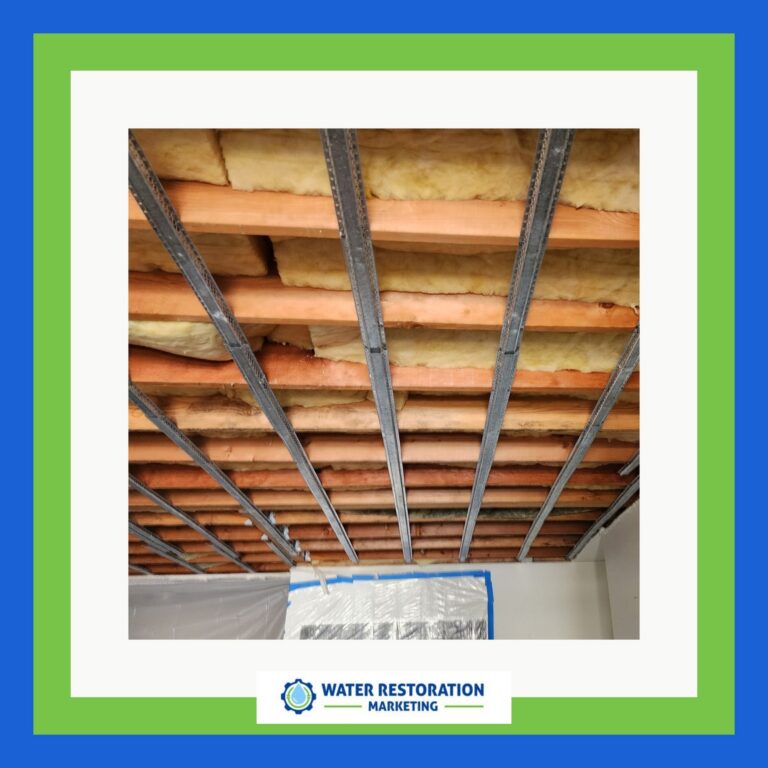
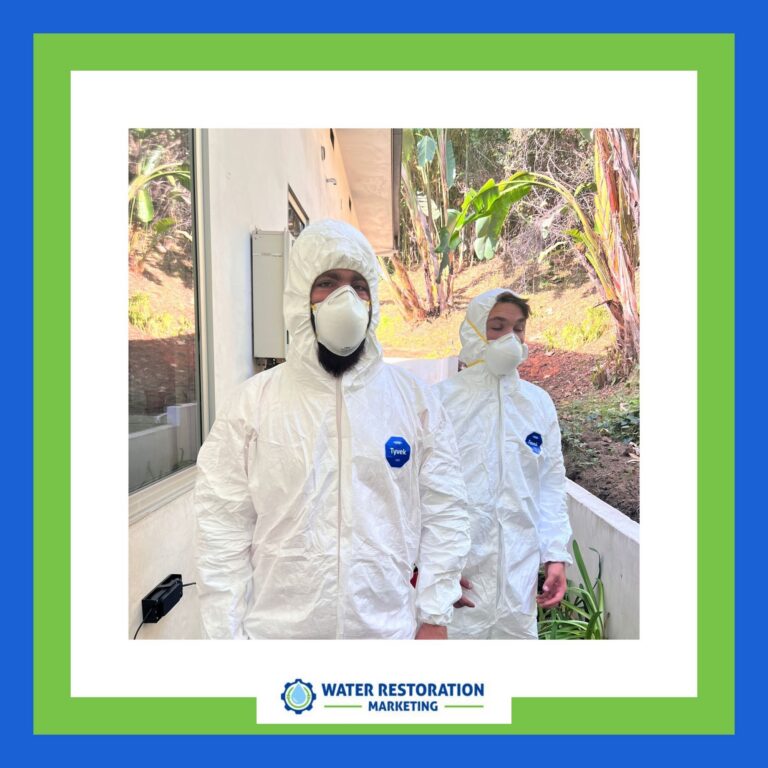
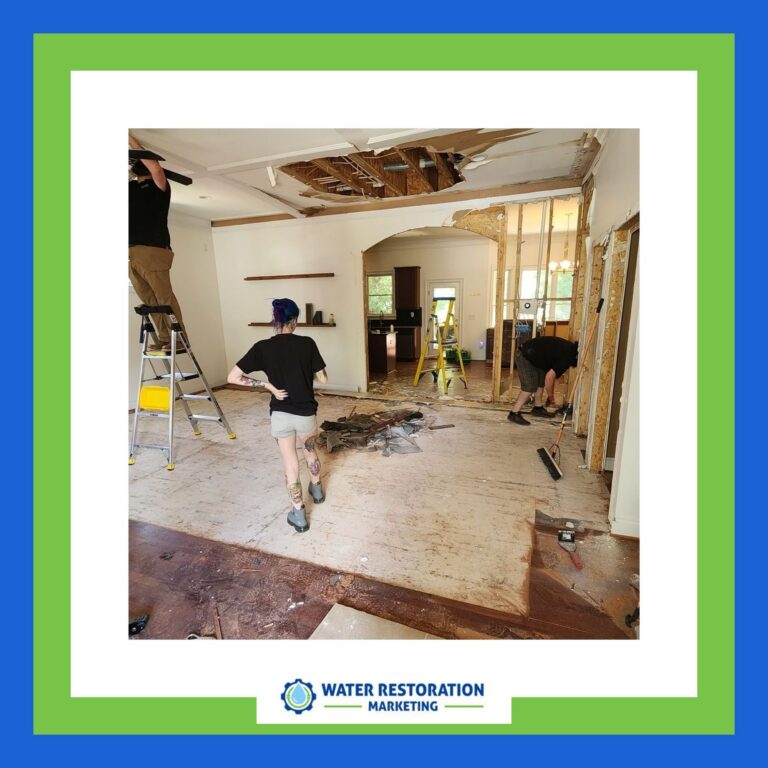
When a storm hits Dallas and you need burst pipe cleanup fast, you’re not searching broad terms—you’re looking for the closest trusted crew. That’s where restoration SEO services matter. You can improve local visibility with targeted keywords, optimized service pages, and a strong Google Business Profile. When your listings, reviews, and NAP data line up, you show up where urgent customers are already searching, and the next step is where things get more specific.
Key Takeaways
- Target local restoration keywords like water damage repair, fire damage cleanup, and mold removal to match urgent search intent.
- Optimize Google Business Profile, service-area pages, and NAP consistency to strengthen local visibility across metro markets.
- Build focused service pages with clear response times, trust signals, and problem-specific language to improve conversions.
- Clean up citations, collect reviews, and add local authority signals to compete with franchises and brokers.
- Track calls and conversions to measure SEO performance and refine campaigns for qualified restoration leads.
What Restoration SEO Services Include?
Restoration SEO services usually cover the core tactics that help your business show up when people need urgent help.
You get local keyword research, on-page optimization, Google Business Profile tuning, service-area page creation, technical fixes, citation cleanup, review strategy, and tracking that shows where calls come from.
In most metro markets, you’re competing against franchises and brokers, so you need precise location signals, fast pages, and consistent NAP data.
Strong restoration SEO services align each page with water, fire, mold, and storm intent, then match it to neighborhood search demand.
You also need measurable reporting, so you can compare impressions, clicks, calls, and form fills by city.
That’s how you build a repeatable local acquisition system.
How Restoration SEO Services Improve Rankings?
You improve rankings when your site matches the exact phrases local customers use, like water damage repair or fire restoration in your service area.
Restoration SEO services sharpen keyword relevance on your pages and build local authority signals through optimized listings, reviews, and location-based content.
That combination helps search engines trust your business more and puts you in front of nearby leads faster.
Keyword Relevance
Keywords act like a map for local search visibility, guiding restoration websites toward the exact terms property owners use when they need help fast.
You improve rankings when you align each page with one clear service intent, such as water damage repair, fire cleanup, or mold removal in your city. That precision helps search engines match your page to high-value queries and cuts irrelevant traffic.
You also gain when you use location modifiers, emergency phrases, and problem-specific language in titles, headers, and body copy. Data matters here: pages built around focused terms usually earn stronger click-through rates and better engagement than broad pages.
When your keywords mirror real search behavior, you attract qualified leads who need immediate, local restoration help.
Local Authority Signals
Strong local authority signals help your restoration site earn trust faster in map packs and organic results. You build them by earning consistent citations, accurate NAP data, and reviews across trusted local directories.
When you match your Google Business Profile, service-area pages, and website schema, you reduce ambiguity and improve location confidence. You also strengthen rankings by securing local backlinks from chambers, insurers, suppliers, and community partners. Those links show real-world relevance, not generic authority.
Track review velocity, citation consistency, and referral domains to measure progress. If your competitors have weak profiles, you can outrank them with tighter local proof and fresher engagement signals.
Restoration SEO services focus on these assets so you capture more qualified local calls, not just more traffic.
Why Restoration Service Pages Win Local Leads?
Your restoration service pages win local leads when they match what people in your area are searching for right now, from water damage cleanup to fire restoration.
You’ll convert more clicks when each page aligns with clear service intent and uses local keywords that mirror nearby search behavior.
That relevance helps your business show up in local results and attract qualified calls, not random traffic.
Service Page Intent Match
Why do restoration service pages consistently convert local searchers into leads? Because you align page intent with urgent, high-value needs.
When someone searches for water damage repair, fire cleanup, or mold remediation, they want a fast answer, clear proof, and a direct next step. Your page should deliver exact service details, response time, service area, and trust signals above the fold.
That match reduces friction and increases calls. You also keep the message tightly focused, so visitors don’t hunt for basic facts.
Strong intent alignment helps you earn more qualified clicks, longer engagement, and higher conversion rates. In local restoration, precision wins: the page that answers fastest usually captures the lead.
Local Keyword Relevance
Local keyword relevance helps restoration pages show up when nearby homeowners search for urgent help, and that visibility drives more qualified calls.
You win local leads when you pair city names, neighborhood terms, and service modifiers like water damage repair or mold removal on the page.
Search engines use those signals to map your offer to a location, so you’re more likely to appear in the local pack and organic results.
The data matters: pages with precise geo-targeted phrases usually attract higher click-through rates and better conversion intent than generic service copy.
You should align headings, meta tags, FAQs, and internal links around the same local terms.
When your wording matches real search behavior, you reduce friction, improve relevance, and capture demand before competitors do.
How Local SEO Brings Nearby Restoration Customers?
Nearby restoration customers often choose the company that shows up first in local search results, and local SEO helps you earn that visibility. You improve proximity signals with location pages, accurate service-area data, and a fully optimized Google Business Profile.
Search engines then connect your business to nearby water, fire, mold, and storm damage queries with stronger geographic intent. When you keep NAP details consistent across directories, you reduce ranking friction and build trust at the map-pack level.
Reviews, local citations, and mobile-friendly pages also lift engagement, which search engines measure. The result is more impressions from people already in your service radius, more calls from urgent searches, and a higher share of qualified leads that are ready for immediate dispatch.
What Content Strategy Builds Trust Fast?
A trust-building content strategy starts with service pages that answer urgent restoration questions fast, show clear process details, and prove local experience with project photos, reviews, and service-area specifics.
You should build each page around one city, one problem, and one outcome. Use local terminology, neighborhood names, and response-time data so you sound grounded, not generic.
Add before-and-after images, insurance guidance, and step-by-step timelines to reduce uncertainty. Support claims with case studies, measured results, and team credentials.

Then publish FAQ content that matches common search intent and mirrors the questions homeowners ask after a loss. Keep each page tight, scannable, and updated.
When your content shows proof, clarity, and locality, you earn confidence quickly and position your brand as the safer choice.
How Restoration SEO Drives Qualified Calls?
Restoration SEO drives qualified calls by putting your business in front of people who need help right now and are ready to hire. You rank for intent-rich searches like water damage restoration near me, so you attract homeowners and property managers with urgent needs, not browsers.
You convert better when your service pages, location pages, and Google Business Profile match the city, service, and problem they typed. Local proof, fast load times, and clear calls to action reduce drop-off.
Track call volume, call duration, and source data to see which keywords produce real leads. When you optimize for proximity, urgency, and trust, you don’t just increase traffic—you generate more answered calls, higher close rates, and stronger revenue from your service area.
Frequently Asked Questions
How Long Does Restoration SEO Take to Show Results?
You’ll usually see early SEO gains in 3 to 6 months, while strong local rankings often take 6 to 12 months. Your results depend on competition, site health, content quality, and consistent optimization.
Do Restoration SEO Services Include Google Business Profile Optimization?
Yes, most do. You’ll optimize your Google Business Profile with categories, services, photos, posts, reviews, and tracking. That boosts local rankings, improves map visibility, and drives more qualified restoration leads from nearby customers.
Can SEO Help My Restoration Company During Emergency Call Spikes?
Yes—SEO can help when your calls spike, like a tuned engine surging uphill. You’ll capture urgent local searches, route traffic to optimized pages, and convert high-intent visitors into qualified leads fast.
What Makes Restoration SEO Different From General Contractor SEO?
You need restoration SEO because you target urgent, location-based searches, faster response intent, and service pages for water, fire, and mold claims. You’ll track call conversions, map rankings, and emergency keywords, not just general project visibility.
How Do Reviews Affect Local Restoration Search Visibility?
Reviews boost your local visibility fast. You’ll climb when you earn more high-rated, recent, location-specific feedback; they build trust, increase clicks, and signal relevance to Google—yet one neglected complaint can quietly drag rankings down.
Summary
With restoration SEO services, you can boost your local presence, build better brand trust, and bring in nearby buyers fast. By refining your Google Business Profile, tightening your NAP details, and targeting urgent local searches, you’ll improve visibility where it counts. Smart service pages, strong reviews, and steady citation signals help you rank higher, attract qualified calls, and convert more community customers. Local leads love clear content, quick contact, and credible companies.