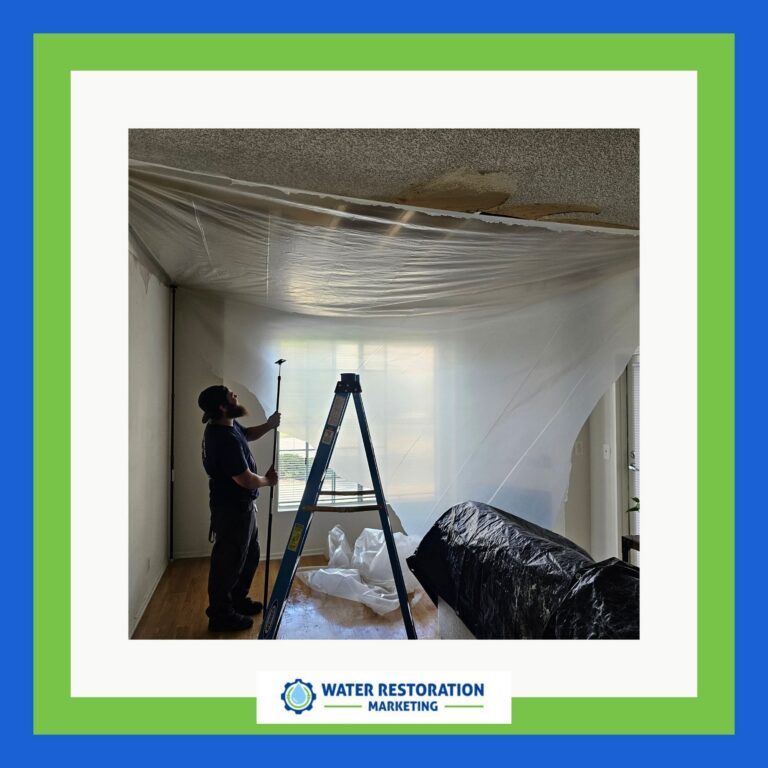
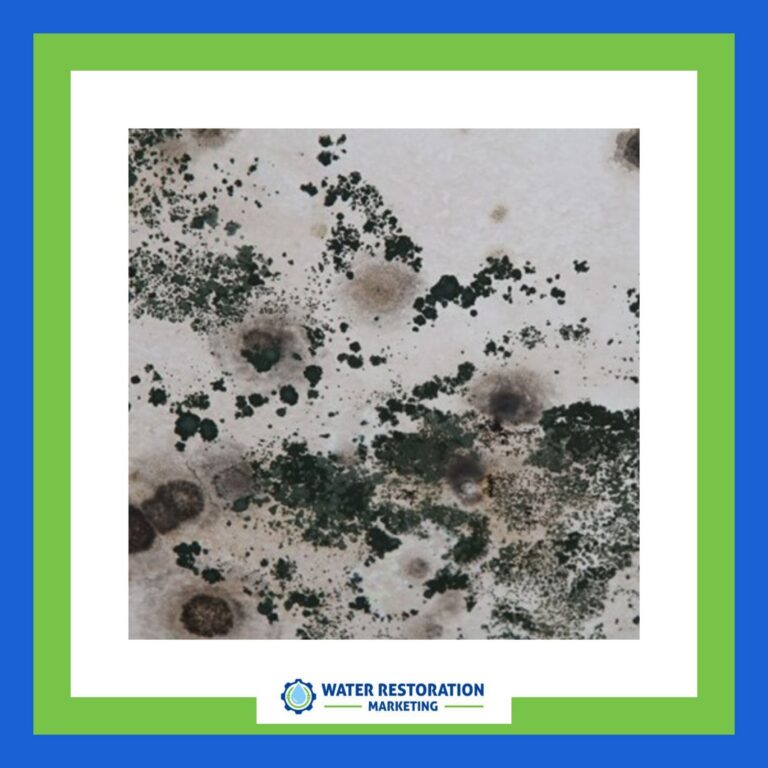
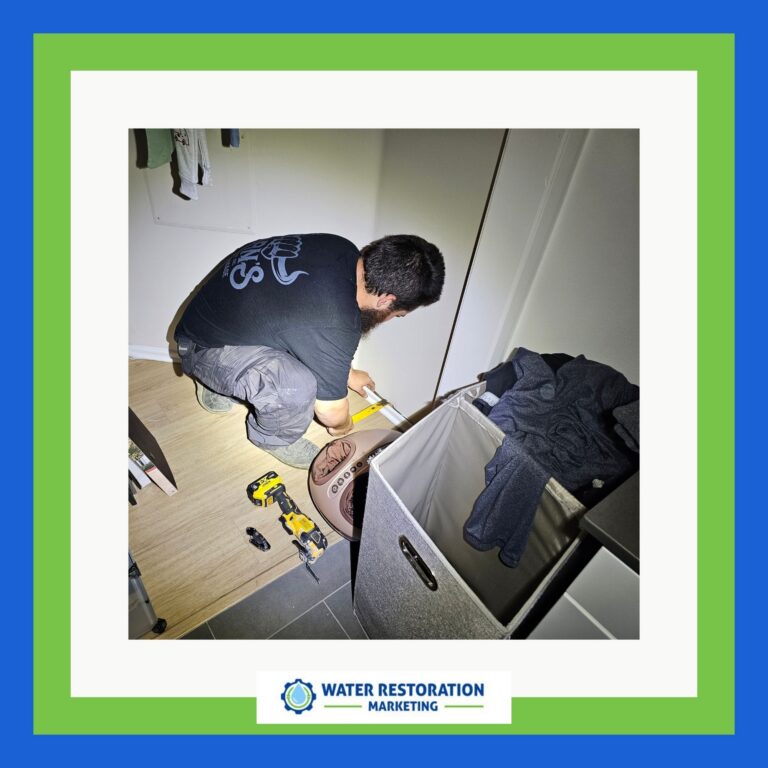
Restoration lead generation depends on reaching customers at the exact moment they need help, especially when emergencies drive urgent searches from mobile devices. Because restoration companies compete for high-intent leads, your SEO strategy must focus on local visibility, service-specific pages, and strong trust signals that encourage calls and conversions. By optimizing your website content, location pages, and Google Business Profile, you can capture more qualified demand before competitors do. However, the factors that improve rankings and generate consistent leads often go beyond basic SEO tactics.
Key Takeaways
- Focus on urgent, location-specific keywords like “water damage restoration near me” and city-based service terms.
- Build separate service and location pages with strong local proof, FAQs, and clear calls to action.
- Optimize your Google Business Profile with accurate details, services, reviews, and regular updates.
- Add schema markup for LocalBusiness, Service, FAQ, and Review to improve search visibility and trust.
- Track calls, forms, and chats by page and keyword to refine SEO and increase qualified leads.
What Makes Restoration SEO Different
Restoration SEO is different because you’re competing in urgent, location-specific searches where speed, trust, and visibility directly affect lead volume.
You can’t rely on broad traffic; you need to win intent when homeowners and property managers want immediate help.
Search behavior is compressed, so every ranking signal matters more than in slower industries. Google weighs relevance, proximity, and authority, and your data should reflect that reality.
The best SEO tips for restoration companies focus on measurable gains: faster indexing, stronger local relevance, and clearer trust signals.
When you align content with crisis-driven demand, you make it easier for people to choose you quickly and feel confident they belong with a team that understands their situation.
That’s the competitive edge.
Optimize Service Pages for Local Leads
If you want more local calls, your service pages need to do more than describe what you do—they need to match the exact search intent behind each restoration service and location.
Build a separate page for each core service, then tailor the copy to the neighborhoods, cities, and damage types your team actually serves.
Add clear proof points: response times, certifications, insurance guidance, and before-and-after results.
Use one primary call to action above the fold, and make your phone number easy to tap on mobile.
Include local testimonials, service-area maps, and concise FAQs that answer common homeowner concerns.
When you align page structure with local demand, you improve relevance, lower bounce rates, and help prospects feel like your team understands their situation and belongs in their community.
Target High-Intent Restoration Keywords
Once your service pages are built for local intent, the next step is to target keywords that signal urgency and buying intent, such as “water damage restoration near me,” “emergency fire damage cleanup,” or “mold removal company open now.”
These searches usually come from people who need help immediately, so your keyword strategy should prioritize service + location, problem-specific terms, and phrases that reflect readiness to call.
Review search data, map keywords to each service, and track click-through rates, calls, and form fills. You’ll see which terms drive real demand, not just traffic.
When you align content with urgent search behavior, you make it easier for homeowners to trust you and choose your team. That relevance helps you earn more qualified leads and stronger community connections.
Build Location Pages That Rank and Convert
You should build each location page around a specific city keyword so search engines can connect it to local demand.
Add local proof like project photos, reviews, and service-area details to strengthen trust and improve conversion rates.
Then match the page copy to the search intent behind each query so you rank for the right terms and turn more local visits into calls.
Target City Keywords
Targeting city-specific keywords helps restoration companies capture high-intent searches and turn local traffic into booked jobs.
You should map each core service to a primary city term, then support it with nearby neighborhoods, ZIP codes, and intent signals like “emergency water damage repair” or “mold remediation near you.” This lets you match search demand more precisely and improve relevance without stuffing.
Build one page per market, keep the wording natural, and align headings, titles, and internal links around the same location theme.
Track impressions, clicks, and call conversions by city so you can shift effort toward pages that perform best.
When your content reflects the places you serve, prospects feel like you’re already part of their community, and they’re more likely to choose your team.
Add Local Proof
Local keywords work best when the page proves you actually serve that area, so build location pages that reflect real jobs, real neighborhoods, and real customer concerns.
You can strengthen trust by naming nearby streets, landmark zones, storm risks, and building types you routinely handle. Add original photos, job summaries, and team notes that show measurable experience in that market.
When you include local phone numbers, service-area boundaries, and review snippets from residents, you give searchers clear proof they’re in the right place. This data also helps Google connect your page to geographic relevance.
Focus on specifics that signal familiarity, not generic claims. If your page feels local, your audience feels seen, understood, and more likely to call.
Match Search Intent
When searchers land on a location page, they usually want one of three things: fast emergency help, proof you serve their area, or a clear path to request service, so your page has to match that intent immediately.
You should place the city name in the title, H1, copy, and meta description, then answer local questions above the fold. Data shows pages with service details, response times, and easy click-to-call buttons convert better because they reduce friction.
Add nearby landmarks, neighborhoods, and service-specific FAQs so people feel you know their community. For emergency searches, lead with 24/7 availability and phone access.
For research searches, explain your process and credentials. When you align content with intent, you help visitors feel seen, supported, and ready to reach out.
Improve Your Google Business Profile
Your Google Business Profile can drive more calls than many website pages if you keep it complete, accurate, and active. Use your exact business name, primary category, service areas, hours, phone number, and website so Google can match you to local searches.
Add restoration-specific services, from water damage to mold remediation, and write a clear description with location terms your audience uses. Upload high-quality photos of crews, equipment, and completed jobs; profiles with fresh visuals often earn stronger engagement.
Publish updates, offers, and FAQs weekly to signal activity and relevance. Track calls, direction requests, and clicks inside Insights so you can see which details lift performance.
When local customers find a polished profile, they feel like they’ve found their people.
Earn Trust With Reviews and Case Studies
Reviews and case studies give prospects the proof they need to choose you, especially in a high-stakes category like restoration. You can turn that proof into a conversion asset by collecting reviews after each successful job and showcasing them on service pages.
Aim for specific feedback that mentions response time, communication, workmanship, and peace of mind. Those details matter because they help visitors picture themselves in your care.
Case studies go further: they let you show the problem, your process, and the result with measurable outcomes. Include before-and-after photos, timelines, and damage scope.
When you publish this evidence consistently, you build credibility, reduce perceived risk, and help homeowners feel they’re joining a trusted group of people who’ve already chosen you.
Use Internal Links to Guide Callers
Internal links can move visitors from research to action by directing them to the next most relevant page, such as water damage, mold remediation, or a contact form.
You can map each service page to the next step a caller needs, so nobody gets stuck browsing. Use clear anchor text that matches intent: “burst pipe cleanup,” “fire restoration,” or “request emergency service.”
This helps search engines understand your site and helps people feel like they’ve landed where they belong. Track clicks in analytics to see which paths convert best, then refine links that underperform.
Pages with strong internal pathways usually reduce friction, increase time on site, and lift call volume because visitors can quickly find the service that fits their situation and move forward with confidence.
Add Schema Markup for Restoration Services
Schema markup gives search engines clearer context about your restoration services, which can improve how your pages appear in local results and increase qualified clicks.
You can add LocalBusiness, Service, FAQ, and Review schema to key pages so Google better understands what you do, where you serve, and why homeowners should trust you. That clarity helps you compete for high-intent searches with stronger visibility and richer snippets.
Keep your markup consistent with your page copy, NAP details, and service areas so you avoid mismatches that weaken performance.
Track impressions, CTR, and calls before and after implementation to measure impact. When you present clean structured data, you signal professionalism and help prospects feel like they’ve found a reliable team that belongs in their emergency.
Create Storm Damage Content That Ranks
You should target storm damage keywords that match how people search after hail, wind, or flooding, because that intent often converts fastest.
Build local storm service pages for each city or service area, so you can align content with regional demand and improve your chances of ranking in map and organic results.
Track which pages earn clicks and calls, then refine titles, headings, and copy based on that data to improve performance.
Storm Damage Keywords
Storm damage keywords work best when you group them by search intent, location, and urgency, then build content that matches what people actually type when they need help fast.
You’ll usually see three patterns: informational searches, like signs of roof damage; comparison searches, like emergency cleanup vs. full restoration; and action searches, like storm damage repair near me.
Track each term’s volume, difficulty, and conversion potential so you can prioritize phrases that drive calls, not just clicks.
When you mirror the language homeowners use after hail, wind, or flooding, your content feels familiar and dependable. That creates trust, and trust moves people toward your team.

Use concise headers, answer-driven copy, and service-focused phrasing to help search engines connect your pages with urgent demand.
Local Storm Service Pages
When local searchers need help after a storm, service pages should do more than describe your offerings; they need to match the exact problem, location, and urgency behind each query.
You can build pages for hail, wind, flood, and roof damage in each city you serve, then track rankings, clicks, and calls by page.
Include neighborhood names, local landmarks, and response times so visitors feel you’re part of their community.
Use before-and-after photos, insurance language, and clear next steps to reduce hesitation.
Add FAQs based on real search data to capture long-tail intent.
When your content reflects the storm your neighbors just faced, you’ll earn trust faster, improve local visibility, and turn anxious searches into qualified leads.
Track Leads and Improve SEO Results
Tracking leads is how restoration companies turn SEO into measurable growth. You need to connect every call, form fill, and chat to the page, keyword, and location that drove it.
Use call tracking, CRM tags, and UTM codes so you can see which service pages bring the best jobs. Then compare traffic, conversion rate, and close rate by channel, not just rankings.
When a page earns visits but no leads, tighten the headline, proof points, and call to action. When a city page converts well, expand it and support it with nearby service content.
Share results with your team so everyone knows what’s working and feels part of the win. That data helps you focus on the SEO moves that grow revenue fastest.
Frequently Asked Questions
How Long Does Restoration SEO Take to Produce Calls?
You’ll usually see restoration SEO calls in 3 to 6 months, depending on competition, site quality, and local intent. If you optimize pages, reviews, and Google Business Profile, you can accelerate measurable call volume faster.
What Budget Should Restoration Companies Expect for SEO?
You should expect $2,000–$7,500 monthly for SEO, depending on market competition and growth goals. Researching local rankings shows higher budgets usually drive faster visibility, stronger service pages, and more qualified calls for you.
Should We Target Residential, Commercial, or Both?
Target both if you’ve got capacity; data usually shows mixed demand improves stability. You’ll build broader trust, serve more neighborhoods, and capture higher-value commercial leads while still converting urgent residential calls efficiently.
How Often Should Restoration SEO Content Be Updated?
You should update restoration SEO content every 3–6 months, and sooner if rankings drop, services change, or local demand shifts. You’ll stay relevant, strengthen trust, and keep your pages aligned with what customers need.
What Metrics Matter Most for Restoration SEO Success?
You’ll track local calls, organic leads, rankings, clicks, and conversion rate; most nearby searches lead to visits within a day, so you’re measuring how well your pages earn trust, visibility, and community-driven inquiries.
Recap
You’ve got to treat restoration SEO like an emergency response plan, not generic marketing. In fact, most local searchers visit a business within 24 hours, so every service page, location page, and Google Business Profile update should push urgent callers to action. If you track calls, rankings, and conversions, you can refine what’s working and capture more high-intent leads. Stay local, stay fast, and keep optimizing to grow your restoration business.