You may not realize that damage restoration content works best when it answers worries before you ever speak to a homeowner. When you explain what to expect, show real local results, and use clear service pages, you lower stress and build trust fast. That trust can turn a hesitant visitor into someone who asks for an inspection, but the way you guide them matters more than you might think.
Key Takeaways
- Address homeowner fears first with clear safety, damage, and next-step answers in plain language.
- Build trust with specific service pages that explain restoration processes, response times, and insurance help.
- Use honest before-and-after photos with captions showing the damage, cause, and repair method.
- Match blog content to homeowner questions and include inspection-focused CTAs throughout the page.
- Keep messaging consistent across your website and social channels to reinforce professionalism and credibility.
Why Damage Restoration Content Builds Trust
When you’re dealing with damage restoration, people are often stressed, confused, and looking for answers fast. Content that explains the process clearly can make your business feel more trustworthy right away.
You show expertise when you explain what happens, why it matters, and how you work with care. That clarity reduces uncertainty and helps homeowners feel safer choosing you.
With damage restoration content marketing, you can demonstrate professionalism before anyone calls. You also create consistency across your website, blog, and service pages, which reinforces credibility.
When your messages sound accurate, direct, and human, you signal that you understand the urgency behind every job. Over time, that trust turns into stronger engagement, better leads, and more confident decisions from potential customers.
Answer Homeowner Questions First
Start with the questions homeowners are already asking, because that’s where effective damage restoration content marketing begins. You build trust fastest when you answer the concerns they feel right away: Is my home safe, what should I do now, and how bad is the damage?
Lead with plain answers, then explain the next step in simple terms. You show competence when you remove confusion before it grows into panic. Keep your language direct, practical, and calm.
When you anticipate the homeowner’s mindset, you make your content useful, not promotional. That usefulness signals expertise and earns attention. You also help search engines connect your content to real intent, which supports visibility.
Most importantly, you reassure people that you understand their problem and know how to guide them forward with confidence.
Create Service Pages That Match Search Intent
Create service pages that match search intent by giving people exactly what they came to find. If someone searches “water damage repair,” don’t make them hunt through generic marketing copy.
Build a page that explains your process, service area, emergency response, insurance help, and what happens next. Use the terms your customers use, but keep the language plain and direct.
You should answer the core question fast, then support it with details that reduce uncertainty. When your page aligns with intent, you improve SEO and help qualified visitors move forward with confidence.
Every section should earn its place. Treat the page like a precise tool: focused, useful, and easy to trust. That’s how you turn search traffic into serious leads.
Show Before-And-After Proof From Local Jobs
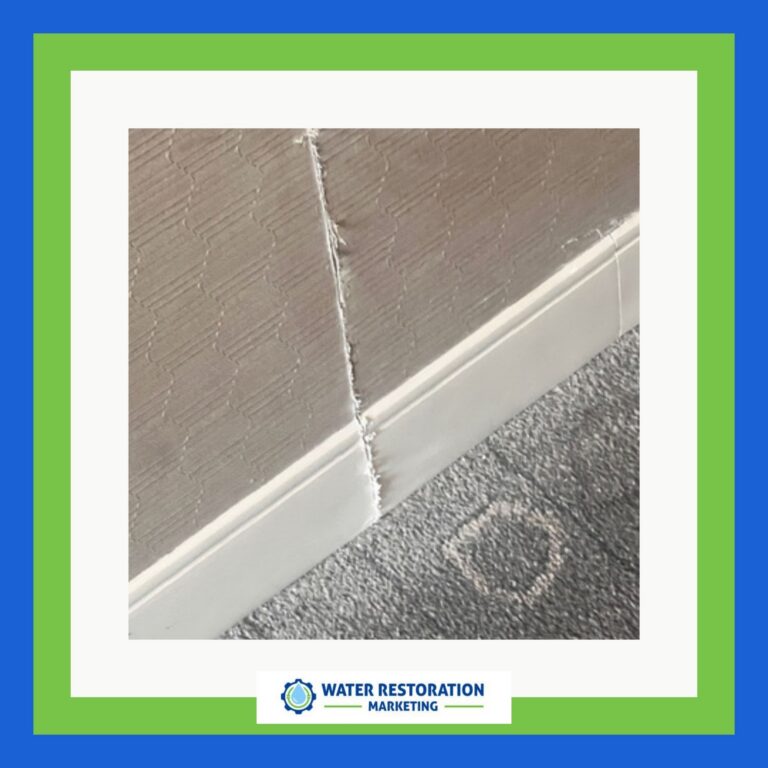
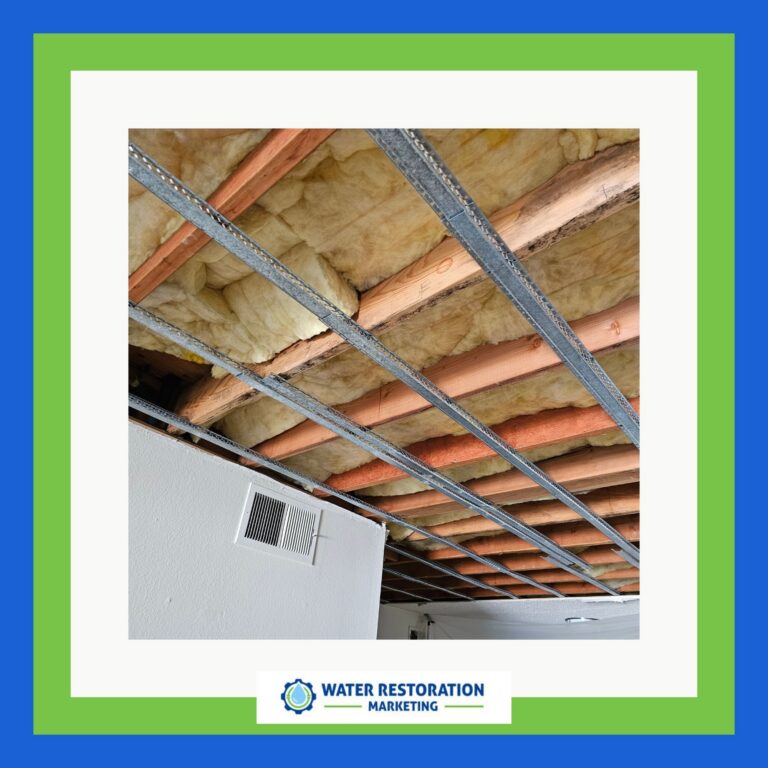
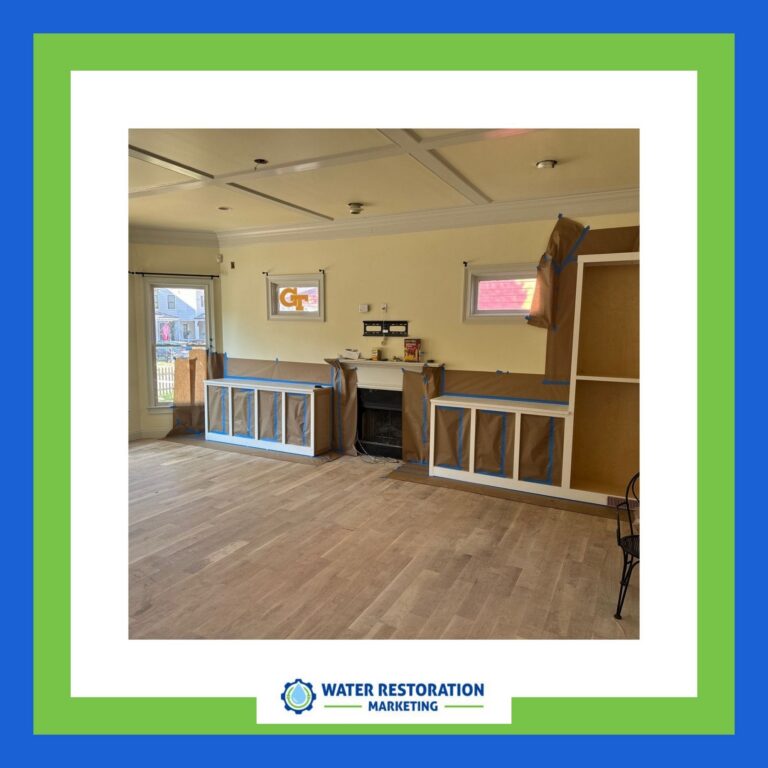
Before-and-after photos from local jobs give people something concrete to trust, especially when they’re deciding whether to call you during a stressful time.
You show what you fixed, where you worked, and how the space looked after your team finished. That proof reduces doubt because it feels familiar and specific, not generic.
Use clear captions that explain the damage, the cause, and the restoration method. Include neighborhoods, building types, and moisture or fire conditions when relevant, so local visitors recognize their own situation.
You also demonstrate consistency by documenting similar projects over time. Keep the images honest and well-lit, and avoid overediting.
When you pair visual evidence with concise context, you help prospects understand your competence quickly and make a calmer, more confident decision.
Turn Blog Traffic Into Inspection Requests
When your blog answers a homeowner’s urgent questions, don’t let that traffic drift away without a clear next step.
You should place one focused call to action near the top, one in the middle, and one at the end. Offer an inspection request, not a hard sell.
Explain what happens next, how fast you’ll respond, and what they’ll learn during the visit. Use buttons, short forms, and phone links so they can act quickly on mobile.
Match the CTA to the post’s intent: water damage content should invite a moisture check, mold content should invite an assessment.
Track clicks and form starts so you can refine the page. When you reduce friction and speak to their concern, you turn readers into qualified inspection requests.
Frequently Asked Questions
How Often Should I Update Restoration Content for SEO?
You should update restoration content every 3–6 months, and sooner when services, regulations, or search trends change. Revitalizing pages helps you stay relevant, improve rankings, and show prospects you’re reliable and current.
Which Content Formats Convert Best for Damage Restoration Leads?
Videos, before-and-after case studies, and local landing pages usually convert best—they’re almost ridiculously effective. You’ll build trust fast, show proof, answer urgent questions, and guide anxious homeowners straight to a call or form.
How Do I Measure Content Marketing ROI for Restoration Services?
You measure ROI by tracking leads, calls, forms, and closed jobs from each piece, then comparing revenue to content spend. Use attribution, conversion rates, and customer lifetime value so you can spot what’s truly driving growth.
Should I Create Separate Pages for Each Restoration Certification?
Yes, you should create separate pages for each certification if they drive search demand. You’ll improve relevance, answer specific client questions, and build trust. If demand’s low, combine them into one strong credentials page.
How Can I Repurpose One Blog Post Into Multiple Marketing Channels?
Don’t reinvent the wheel—you can turn one blog post into social clips, email tips, FAQ snippets, a short video, and a lead magnet. You’ll widen reach, reinforce trust, and keep your message consistent.
Summary
You’ve seen how damage restoration content marketing can do more than attract clicks—it can calm worry and build trust. When you answer questions clearly, match what homeowners are searching for, and show real before-and-after results, you make your expertise feel solid and reassuring. Add a clear next step, and you guide people forward without pressure. Like a steady hand in a storm, your content helps homeowners feel confident choosing you.