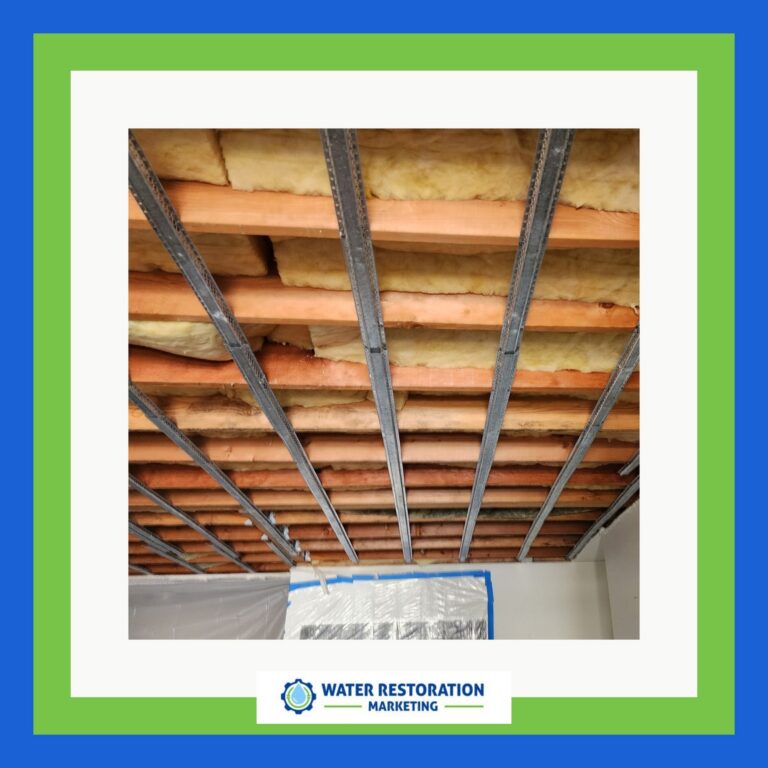
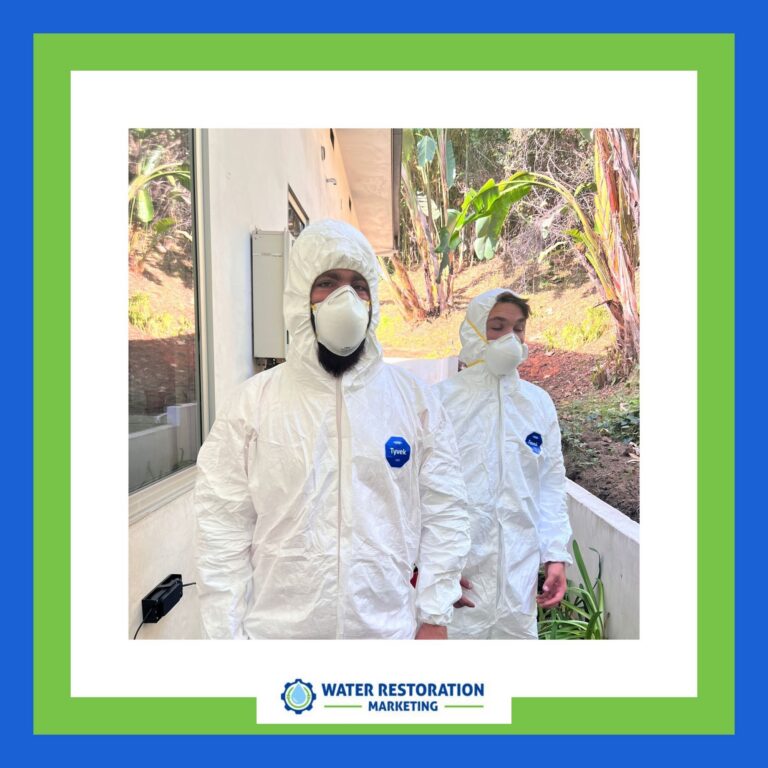
After a site audit, one restoration company cut load time and saw qualified leads climb within weeks. You can apply the same logic to your own SEO by tightening service pages, targeting high-intent local keywords, and fixing technical gaps that slow crawlers and users alike. The checklist below shows where you’re losing visibility, where you’re leaking conversions, and which changes can move the numbers first.
Key Takeaways
- Audit technical SEO basics: robots.txt, XML sitemaps, canonicals, HTTPS, mobile usability, and tracking.
- Improve speed with compressed images, minified CSS, deferred scripts, CDN delivery, and Core Web Vitals fixes.
- Optimize restoration service pages with one clear service, strong H1s, local keywords, FAQs, and prominent CTAs.
- Strengthen local SEO using city-specific pages, consistent NAP details, internal links, and location-based keyword targeting.
- Track leads, calls, forms, rankings, and conversions, then refine pages based on performance data and weekly trends.
Audit Your Restoration SEO Basics
Before you chase new rankings, audit the core SEO basics that determine whether your restoration site can even compete. You need clean crawl paths, indexable pages, and fast load times.
Verify robots.txt, XML sitemaps, canonical tags, and HTTPS status. Check that your site renders correctly on mobile and that Core Web Metrics stay within target thresholds.
Review title tags, meta descriptions, header structure, and schema markup for accuracy and consistency. Confirm every important page returns a 200 status, and fix redirects, duplicate content, and broken links.
Then validate analytics and Search Console tracking so you can measure impressions, clicks, and conversions without gaps.
This restoration SEO checklist gives you a baseline for technical precision and exposes constraints before you scale any broader optimization effort.
Improve Your Restoration Service Pages
Now refine each restoration service page so it maps cleanly to user intent and converts qualified traffic.
You should give each page one primary service, one clear H1, and a tight hierarchy of H2s that match the workflow customers expect.
Add concise copy on process, equipment, response time, insurance coordination, and scope boundaries.
Use original photos, project specifics, and measurable proof points, such as average arrival windows or mitigation timelines, to increase credibility.
Strengthen internal links to related services and location pages so search engines can verify topical depth.
Place prominent calls to action above the fold and after key decision sections.
Test page speed, mobile readability, and form completion rate, because weak performance lowers engagement.
Keep every section specific, verifiable, and conversion-focused.
Target High-Intent Restoration Keywords
With your service pages mapped to one clear intent, you can target the keywords that bring in ready-to-buy restoration leads.
Build a keyword set around urgency and service specificity: water damage restoration, fire damage cleanup, mold remediation, sewage cleanup, storm damage repair, and commercial disaster restoration.
Then layer modifiers that signal commercial intent, such as emergency, 24/7, near me, estimate, and same-day.
You should prioritize terms with strong transaction intent and measurable conversion potential, not broad informational queries.
Use search data to compare volume, difficulty, and click-through opportunity, then assign one primary keyword and several close variants to each page.
Track rankings, impressions, and qualified calls weekly so you can prune weak terms and reinforce high-performing clusters with exact, semantically aligned copy.
Strengthen Local SEO Signals
You should align each restoration service page with city-level keyword signals so search engines can map relevance to specific local queries.
Add service area pages that target distinct markets, then verify that each page uses unique location data, internal links, and consistent NAP details.
Track rankings, impressions, and click-through rate by location to confirm which local signals are moving the needle.
Local Keyword Signals
Local keyword signals strengthen your restoration SEO by aligning page copy, titles, headings, and metadata with location-specific search intent.
You should map primary terms to each core page, then validate search demand with exact-match and close-variant queries in your target market.
Use city, neighborhood, and county modifiers where users actually search, and keep them consistent across H1s, title tags, meta descriptions, image alt text, and internal anchor text.
Don’t stuff keywords; instead, preserve semantic clarity and natural phrasing.
Track rankings by location, then compare impressions, CTR, and conversions to isolate which terms drive qualified traffic.
When you see mismatched intent, revise copy to mirror the phrasing users already use in search, improving relevance, crawl interpretation, and local visibility.
Service Area Pages
Service area pages strengthen local SEO by giving each target city, county, or neighborhood a dedicated, indexable landing page aligned to distinct search intent.
You should map one page to one location cluster, then optimize title tags, H1s, schema, and internal links with geo-specific terms.
Use unique restoration data on response times, service coverage, and local proof points to avoid thin content and duplication.
Add embedded map signals, NAP consistency, and testimonial snippets from that market to reinforce relevance.
You’ll improve crawl clarity when each page targets one intent, such as water damage cleanup in Dallas or mold remediation in Plano.
Track impressions, rankings, and conversions by page, then prune pages that don’t earn measurable visibility or leads.
Improve Restoration Site Speed and Technical SEO
Fast-loading restoration sites improve crawl efficiency, reduce bounce rates, and support stronger rankings, especially on mobile where users expect immediate access to emergency services.
You should compress images, defer noncritical scripts, and preload above-the-fold assets to cut render time.
Audit Core Web Essentials, especially LCP, INP, and CLS, because they directly reflect user experience and technical health.
Minify CSS, eliminate duplicate code, and serve files through a CDN to reduce latency across service regions.
You’ll also want clean indexation: fix redirect chains, broken links, 4xx errors, and orphaned pages.
Use canonical tags, XML sitemaps, and robots directives to guide crawlers precisely.
Log-file analysis helps you verify crawl budget use and spot bottlenecks before they erode visibility.
Answer Local Restoration Search Questions
You should target local search terms that match your highest-intent restoration services, because query-level alignment improves relevance and click-through rates.
Answer service-area queries with location-specific pages and concise coverage maps, so search engines can validate geographic intent and index local signals.
Cover emergency questions directly in FAQs and page copy, since fast, specific answers can capture urgent searches and reduce bounce rates.
Target Local Search Terms
Local restoration queries often reveal what nearby customers actually need, so target search terms that match specific services, locations, and urgent problems, such as “water damage restoration in [city]” or “mold removal near me.”
You should map each core service to a primary keyword set, then validate search volume, intent, and difficulty in keyword tools.
Prioritize phrases with clear commercial intent and local modifiers, because they signal readiness to call.
Build each page around one dominant query cluster, and reinforce it with semantically related terms in headings, body copy, title tags, and meta descriptions.
Track rankings by ZIP code or city, then compare impressions, clicks, and conversions in Search Console.
When queries shift, revise copy, internal links, and schema so your targeting stays aligned with actual demand and local competition dynamics.
Answer Service Area Queries
What service-area questions are prospects actually asking, and how can you answer them before they leave search results?
Map each city, ZIP code, and neighborhood page to one dominant intent, then align your copy with the exact phrasing users query.
You should answer coverage questions, permit questions, material constraints, and turnaround expectations with concise, evidence-based blocks.
Add schema, embedded maps, and consistent NAP data so search engines can validate locality.
Use internal links from your core restoration services to each service-area page, and keep location-specific testimonials, project counts, and response metrics near the top.
Track impressions, clicks, and query variants in Search Console to identify gaps.
When you publish precise, localized answers, you reduce pogo-sticking, increase qualified engagement, and strengthen relevance across your service footprint.
Cover Emergency Questions
When an emergency strikes, which questions do prospects ask first, and does your site answer them fast enough to keep them engaged?

You need pages that resolve intent immediately: damage type, response time, insurance support, and 24/7 availability.
Map each question to a local landing page, then test whether your copy matches search language and service radius.
- Publish concise FAQ blocks with schema markup.
- Place phone, chat, and dispatch CTA elements above the fold.
- Add city names, turnaround estimates, and certification data.
Track click-through rate, call conversions, and bounce rate to identify gaps.
If users still back out, tighten headlines, reduce load time, and surface proof faster.
Your goal is zero ambiguity during high-stress searches.
Track Leads, Rankings, and Conversions
You should track leads, rankings, and conversions with one connected measurement system so you can see which technical fixes, service pages, keywords, and local signals actually drive revenue.
Tie call tracking, form submits, chat events, and map clicks to each landing page, then tag every conversion by source, device, and location.
Monitor keyword movements in target service areas, but judge them against qualified lead volume and close rate, not vanity traffic.
Build dashboards that compare crawl health, page speed, indexation, and schema changes with conversion trends.
Set baselines, annotate deployments, and review weekly deltas to isolate causality.
When rankings rise but leads stall, refine intent, content depth, and CTA placement.
This discipline lets you allocate budget to the assets that consistently produce measurable restoration demand and profit.
Frequently Asked Questions
How Often Should Restoration SEO Be Audited?
You should audit restoration SEO quarterly, then monthly for fast-changing sites. You’ll catch technical issues, keyword shifts, local ranking changes, content gaps, and tracking drift early, keeping performance measurable and competitive.
Which Restoration Services Need Separate Landing Pages?
You should build separate landing pages for water damage, fire damage, mold remediation, sewage cleanup, storm damage, and biohazard cleanup; each service carries distinct intent, keywords, regulations, and conversion paths, so you capture cleaner, higher-intent traffic.
What Makes Restoration Keywords High-Intent?
Restoration keywords are high-intent when you can infer urgent need, local service demand, and conversion readiness from query modifiers like “emergency,” “near me,” or “repair.” You’re targeting searchers actively seeking immediate, purchase-ready help.
How Do Reviews Affect Restoration SEO Rankings?
Reviews shape your rankings by boosting trust, click-through rate, and local prominence; when you earn steady, detailed reviews, you’ll signal relevance to search engines, and coincidentally, stronger ratings often align with more calls and conversions.
Which Conversions Matter Most for Restoration Websites?
You should prioritize calls, form fills, emergency dispatch requests, and booked inspections, because they signal revenue intent; track source, device, and location, then optimize pages that drive the highest qualified lead-to-job conversion rates.
Review
You’re the crew chief at the rebuild site, and every signal matters. When you audit the foundation, reinforce service pages, target high-intent terms, and lock in local SEO, your site stops leaking traffic. Faster load times and sharp technical fixes act like fresh drywall over hidden cracks. Keep answering nearby search questions and track every lead, ranking, and conversion, and you’ll turn a damaged digital property into a high-performing lead engine.