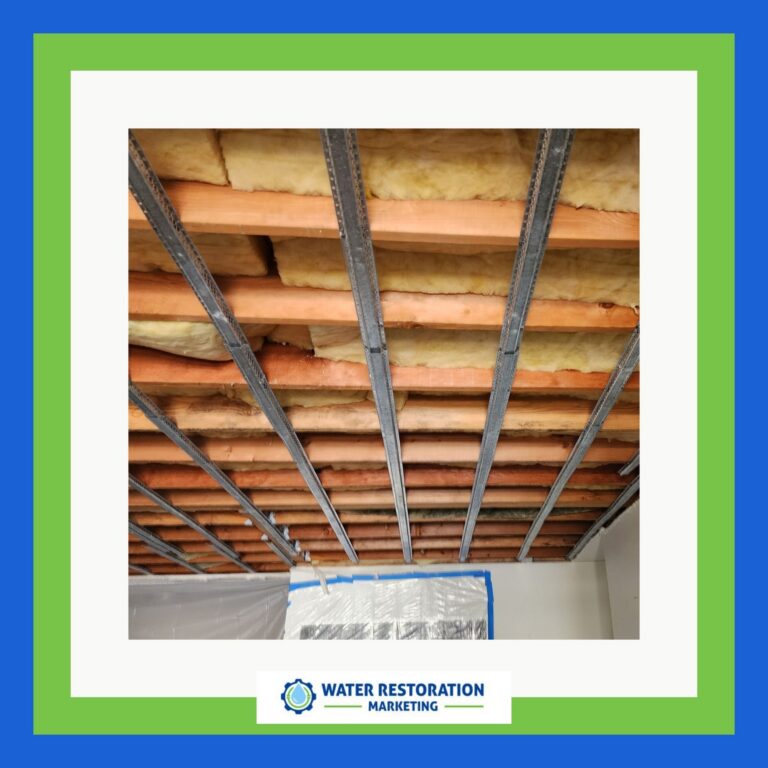
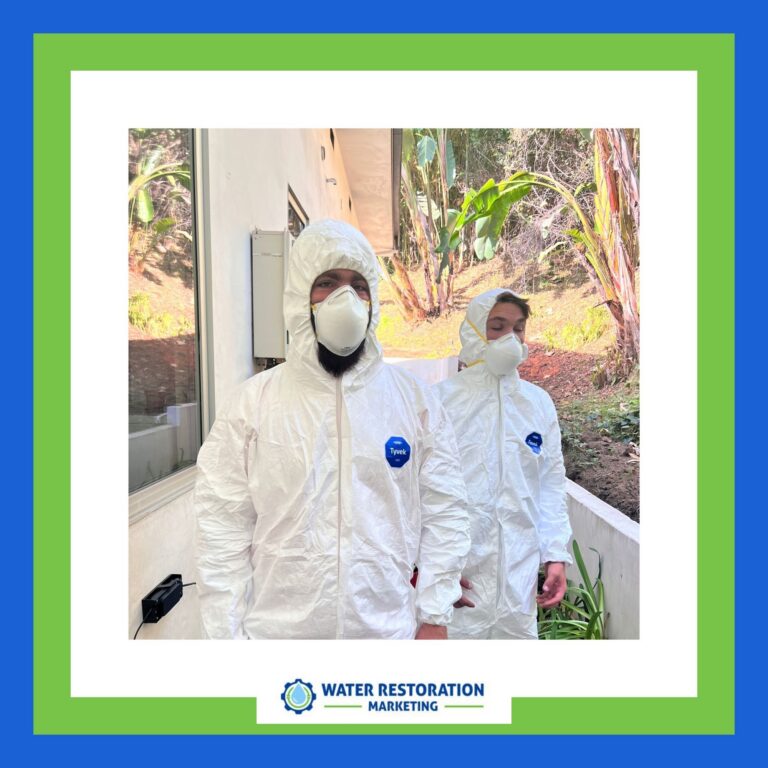
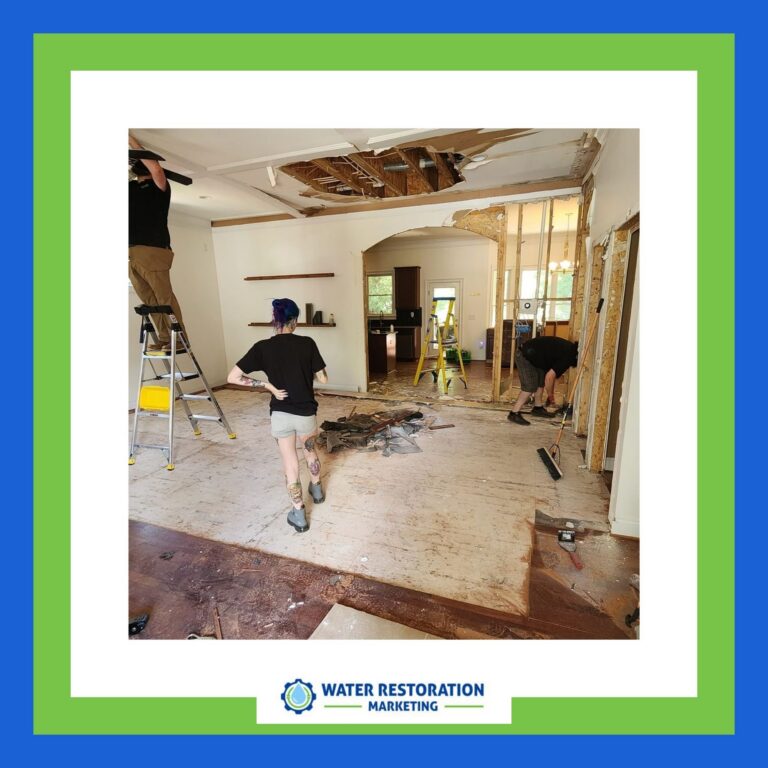
If your damage restoration website gets traffic but not calls, what’s missing: a better message, a clearer path, or stronger proof? You need service pages that match search intent, CTAs that push action, trust signals that cut hesitation, and location pages that capture local demand. When you track user behavior and refine what works, your site stops informing visitors and starts converting them.
Key Takeaways
- Use clear, above-the-fold CTAs like call now, request inspection, or book service to capture leads fast.
- Build dedicated service pages for each restoration service with exact search terms, local details, and problem-specific copy.
- Add trust signals such as certifications, reviews, insurance help, and before-and-after photos to reduce hesitation.
- Optimize for mobile speed and repeat strong, action-based CTAs after proof points to improve conversions.
- Track calls, forms, clicks, and booked jobs by source to find which pages and campaigns generate revenue.
Turn Your Damage Restoration Website Into a Lead Engine
Your damage restoration website should do more than look professional—it should generate qualified leads around the clock. You need every page to guide visitors toward one measurable action: call, request an inspection, or book service.
In damage restoration website marketing, clarity outperforms creativity when urgency is high. Place strong calls to action above the fold, repeat them after proof points, and remove friction from every form.
Use fast-loading pages, mobile-first layouts, and trust markers such as certifications, reviews, and response-time assurances. Track clicks, calls, and form submissions so you can identify bottlenecks and improve conversion rates systematically.
When you treat your site like a sales system, you turn traffic into predictable revenue and build a machine that works even when your crew’s offline.
Build Service Pages That Match Search Intent
Every service page should answer a specific search intent: water damage cleanup, fire restoration, mold remediation, or storm repair.
You need one page per service, and each one should mirror the exact phrases prospects type into search engines. Use clear headings, local signals, and problem-specific details so you rank for qualified queries, not vague traffic.
When you align page copy with intent, you improve relevance, engagement, and conversion quality. Explain what the service solves, who needs it, and what makes your process credible.
Include proof points like response times, certifications, and project types to strengthen trust. Keep the page focused, fast, and easy to scan.
Mastery means giving searchers the precise answer they expected, then guiding them toward the next logical step with confidence.
Write CTAs That Get More Calls
A strong CTA turns page visits into phone calls by making the next step obvious, urgent, and easy.
Place one primary action above the fold, then repeat it after proof points and service details. Use command-based copy like “Call Now for Fast Water Damage Help” or “Get Immediate Mold Removal Support,” because specific verbs outperform vague labels.
Keep buttons visually dominant, mobile-friendly, and consistent across pages. Pair the CTA with a short payoff statement so visitors know what happens next, such as rapid dispatch or a free estimate.
Measure click-to-call rates, test wording, color, and placement, and keep the best performer. When you reduce friction and sharpen the promise, you turn high-intent traffic into more qualified restoration calls.
Add Trust Signals That Reduce Doubt
You can reduce hesitation fast by showing proof that your team is qualified, responsive, and credible.
Highlight certified technicians, insurance assistance, and before-and-after photos so visitors can verify expertise, understand the process, and see real results.
When you make that evidence visible, you build trust and improve the odds that more visitors call.
Certified Technicians
Certified technicians can quickly lower buyer hesitation by proving your team knows how to handle water, fire, mold, and storm damage the right way.
You should display certifications prominently on service pages, quote forms, and hero sections so visitors verify expertise fast. Use badge images, short credential summaries, and technician bios that connect training to outcomes, like faster mitigation and fewer callbacks.
When you mention IICRC or manufacturer training, you signal process discipline, not just marketing polish. That matters because prospects compare options under stress and need proof, not promises.
Reinforce credibility with before-and-after results, jobsite photos, and clear descriptions of your team’s methods. The more specific your qualifications, the easier it’s for high-intent visitors to choose you with confidence.
Insurance Assistance
Insurance assistance can remove one of the biggest friction points in damage restoration marketing: uncertainty about cost, coverage, and claims handling. When you explain how you work with insurers, you lower perceived risk and increase inquiry volume.
State whether you document losses, meet adjusters, and help customers navigate claim steps. Add specific trust signals: accepted carriers, claim support availability, response times, and a dedicated insurance contact.
These details show operational maturity and reduce hesitation before the first call. You’re not promising coverage; you’re proving process expertise. That distinction matters because buyers want confidence, not confusion.
Clear insurance guidance also shortens decision cycles, improves lead quality, and positions your company as a strategic partner, not just another vendor.
Before After Photos
Before-and-after photos create instant proof by showing the actual outcome of your restoration work, not just promising results.
You reduce friction when you pair each image set with a short case note: damage type, scope, timeline, and the final result. This gives prospects measurable context and helps them judge your process, not just your polish.
Place photos on service pages, landing pages, and estimates to reinforce credibility at every decision point. Use high-resolution images, consistent angles, and honest labeling so your evidence feels precise, not staged.
Add captions that highlight speed, cleanup quality, and structural recovery. When visitors can compare the problem to the outcome, doubt drops fast, trust rises, and more qualified leads take the next step.
Create Location Pages for Every Service Area
You can increase local visibility by building dedicated service area pages for every city and neighborhood you serve.
Each page should include location-specific keywords, project examples, and local proof signals so search engines can match you to nearby restoration searches.
When you tailor pages this way, you strengthen local SEO and give prospects a clearer path to call you first.
Service Area Pages
Creating location pages for every service area helps your damage restoration company capture more local search traffic and convert visitors who want fast, nearby help.
Build each page around one city or neighborhood, then tailor headlines, service summaries, and emergency-response messaging to that market. You’ll improve relevance when you explain typical property risks, response times, and project types unique to the area.
Add proof points such as completed jobs, technician coverage, and local FAQs to reduce friction. Keep each page distinct; duplicate content weakens performance and wastes crawl budget.
Use clear calls to action above the fold so prospects can request help immediately. When you map pages to real demand, you create a scalable structure that turns geographic intent into qualified leads and higher close rates.
Local SEO Signals
Local pages work best when search engines can clearly connect each one to a specific service area, and strong local SEO signals make that connection easier. You’ll win more qualified traffic when each page proves relevance with exact city terms, embedded maps, local photos, and service-specific testimonials.
Track rankings by ZIP code, not just city, so you can spot gaps fast. Strengthen every page with these signals:
- Consistent NAP details
- Location-specific title tags and H1s
- Unique neighborhood copy
- Google Business Profile links
When you align these elements, you improve local trust, lift click-through rates, and reduce bounce. That precision helps you convert nearby homeowners who need immediate restoration help and expect a provider that already knows their area.
Track Leads and Publish Content That Converts
To turn your damage restoration website into a lead engine, track every form fill, call, chat, and quote request so you can see which pages and campaigns actually drive revenue.
Then tie each lead source to jobs won, average ticket, and close rate. That data shows which service pages, city pages, and blog posts deserve more traffic.
Publish content that answers urgent buyer questions: what to do after water damage, how insurance claims work, and when to call an emergency crew.
Add strong calls to action, proof, and next-step links on every page.
Then update underperforming content based on conversions, not vanity metrics.
When you measure intent and optimize for action, you build a content system that attracts qualified prospects and turns attention into booked restoration work.
Frequently Asked Questions
How Often Should I Update My Damage Restoration Website Content?
You should update it monthly, then review key pages quarterly. Refresh service details, local signals, and CTAs when rankings dip or services change. That keeps you relevant, improves conversions, and supports measurable growth.
What Should I Include in an Emergency Response FAQ Page?
Include response times, 24/7 availability, service areas, what you’ll do first, what homeowners should do now, insurance guidance, equipment used, certifications, pricing factors, and contact details. Add FAQs that reduce uncertainty and drive calls fast.
How Do I Make My Website Compliant With Local Advertising Rules?
Like a map, you’ll stay compliant by auditing local rules, adding required licenses, disclaimers, and privacy notices, and reviewing ads quarterly. Track updates, document approvals, and test pages so your site converts confidently without legal risk.
Which Customer Reviews Work Best for Restoration Marketing?
You’ll convert best with reviews that mention fast response, clear communication, insurance help, and cleanup quality. Prioritize specific, recent, location-based testimonials with measurable outcomes, because they build trust, reduce friction, and drive calls.
How Can I Tell if My Website Has a Slow Mobile Experience?
You can spot a slow mobile experience by checking Google PageSpeed, watching load delays, and tracking bounce rates; if pages crawl like molasses, you’re losing leads. Audit taps, images, and scripts, then fix bottlenecks fast.
Recap
Your website can be the map and the bridge, guiding worried property owners from damage to decision. When you align service pages with search intent, sharpen your CTAs, and build trust with proof, you turn traffic into calls. Add location pages, track every lead, and refine what works, and your site won’t just attract visitors—it’ll move them. In damage restoration website marketing, you’re not chasing clicks; you’re building a clear path to conversion.