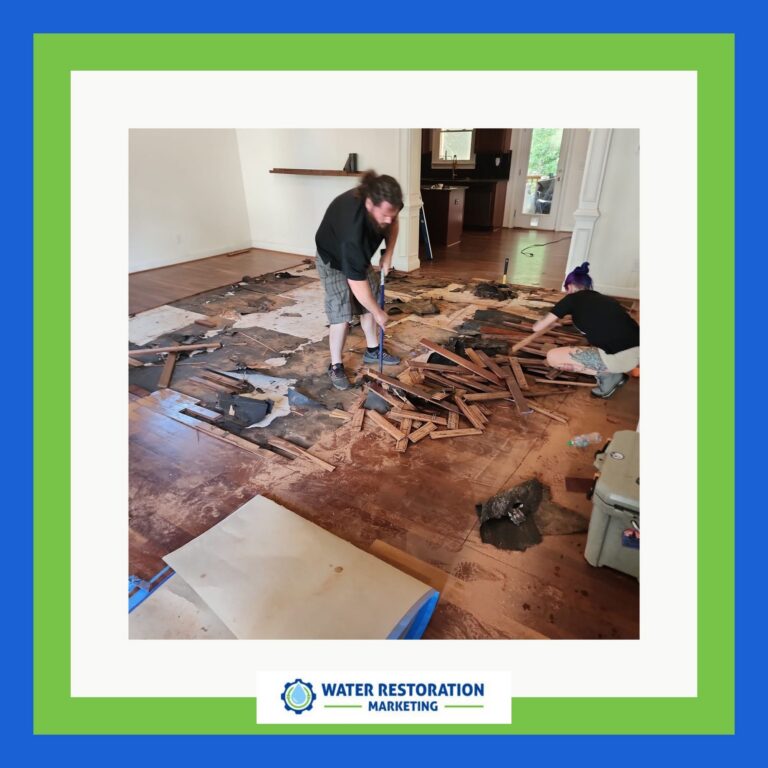
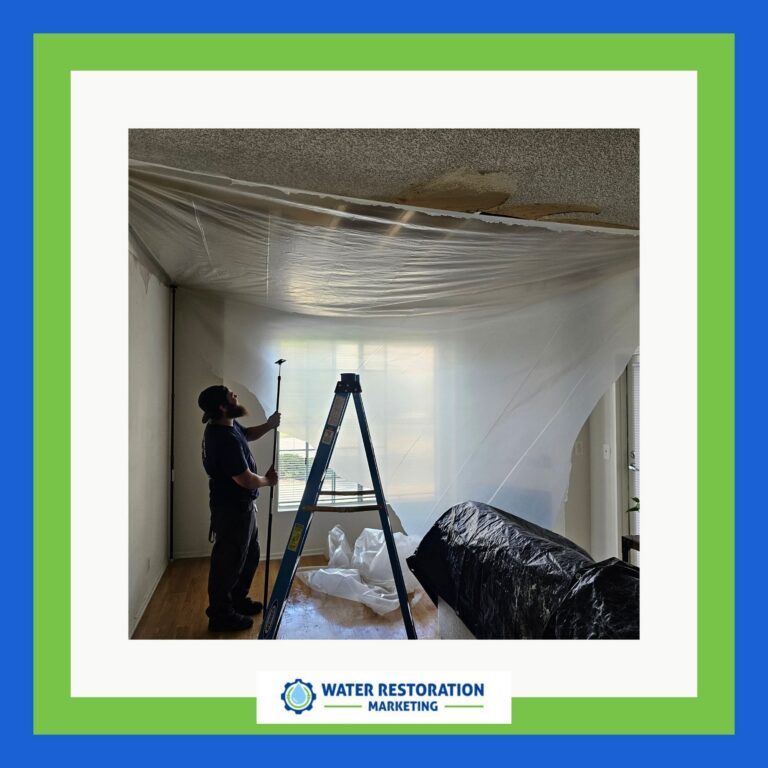
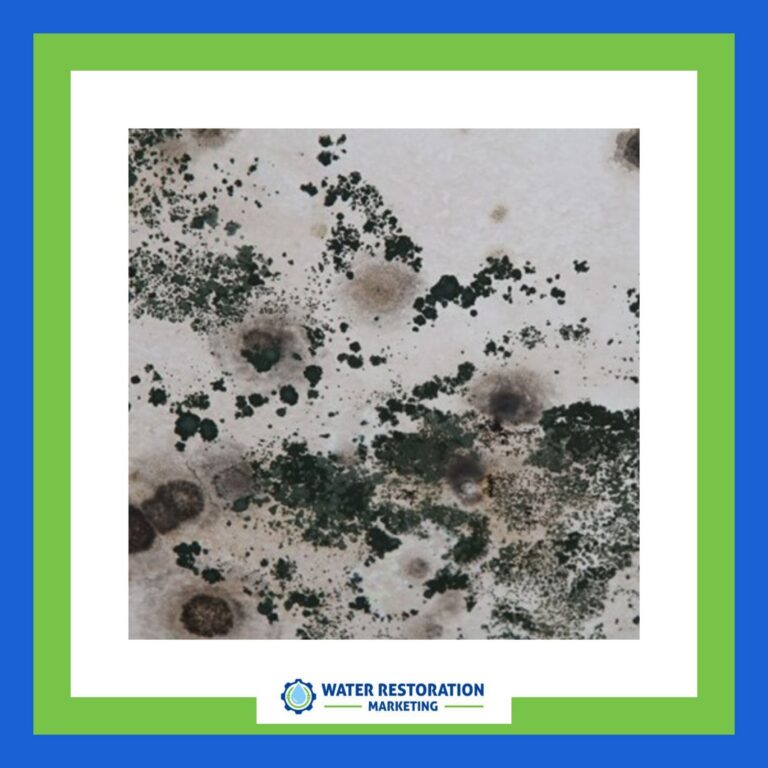
A strong restoration SEO content strategy can act like a compass in a storm, guiding homeowners straight to your services when urgency peaks. You want pages that match the exact terms people search, answer restoration questions fast, and support local intent with clear service details. If you track calls, bookings, and page performance, you can turn search traffic into more qualified organic leads and see which content actually pulls weight.
Key Takeaways
- Target high-intent restoration keywords like water damage restoration and fire damage cleanup to attract ready-to-call leads.
- Create service pages, local pages, and FAQs that match search intent and answer common restoration questions.
- Use strong local SEO with city, county, and neighborhood pages, unique copy, and consistent NAP details.
- Add trust signals like reviews, certifications, testimonials, and case studies to improve credibility and conversions.
- Track keyword rankings, phone clicks, form submissions, and page performance to refine content and increase organic leads.
What Is a Restoration SEO Content Strategy?
A strong restoration SEO content strategy is the plan you use to create search-focused content that helps your company rank for key services, answer customer questions, and build authority in your market.
You use it to publish pages, guides, and FAQs that match search intent and support your expertise.
A restoration SEO content strategy gives you a clear framework for targeting topics, organizing your website, and improving visibility over time.
When you align content with real search behavior, you make it easier for your audience to trust you and feel they belong with a provider that understands their needs.
Data shows relevant content can lift engagement, reduce bounce rates, and increase qualified leads.
You’re not guessing; you’re building a measurable system.
Target the Restoration Services People Search For
You need to target core service keywords like water damage restoration, fire damage cleanup, and mold remediation so your content matches what people actually search.
High-intent search terms usually show stronger conversion potential because they come from users who need help now, not later.
When you align pages with these queries, you improve relevance, attract qualified traffic, and support better rankings.
Core Service Keywords
Core service keywords help your restoration company connect with the exact searches people use when water, fire, mold, or storm damage hits.
You can build pages around terms like water damage restoration, fire damage cleanup, mold remediation, storm damage repair, and sewage cleanup to match how real customers search.
These keywords give your site clear topical signals, helping search engines understand what you do and where you serve.
When you group them by service and location, you make it easier for nearby homeowners and property managers to find you fast.
That matters because search behavior is intent-rich and local.
If your content mirrors those core phrases, you’ll earn more relevant traffic, stronger engagement, and a sense of trust that says, “You’re in the right place.”
High-Intent Search Terms
When people need help fast, they search with urgency, so your restoration SEO content strategy should target high-intent terms like “emergency water damage repair,” “24/7 fire damage restoration,” “mold removal near me,” and “storm damage cleanup.”
These searches usually signal immediate need, which means they’re more likely to convert into calls, quote requests, and booked inspections. Use them in service pages, FAQs, and location content to match intent.
- Track search volume and click-through rates.
- Prioritize terms with clear service intent.
- Build pages around local modifiers.
- Test conversions by keyword.
When you speak their language, you help worried homeowners feel seen, supported, and ready to choose your team.
Answer Restoration Questions Before They Call
You can answer common restoration questions on your site before callers reach out, and that can boost trust and organic clicks.
Explain your service process clearly, including what happens first, how long each step takes, and what customers should expect.
Add emergency response details like 24/7 availability and average arrival times so you meet intent fast and turn more search traffic into leads.
Common Restoration Questions
What do homeowners want to know first after water, fire, or mold damage? You want fast answers, clear next steps, and a team that gets your stress.
Restoration SEO content should target these high-intent questions so you feel seen before you call.
- What causes the damage?
- Is my home safe?
- How soon should I act?
- Will insurance help?
When you answer common restoration questions with keyword-rich, local-focused content, you build trust and earn more organic leads.
Data shows searchers click pages that match their exact concern, so your content should speak directly to your situation.
You’re not alone in this moment; your neighbors search the same terms, and your site can guide them with calm, useful answers.
Service Process Clarity
Clear service process content helps your restoration SEO because it answers the next question before a homeowner has to call: what happens now?
You show the steps of your restoration process in plain language, so visitors know what to expect from assessment to completion. That clarity reduces friction, builds trust, and keeps qualified leads on your site longer.
When you explain your workflow, timelines, communication checkpoints, and documentation, you help search engines match your page to high-intent queries. You also signal that your team is organized, reliable, and customer-centered.
Homeowners want a crew that feels like a steady partner, not a mystery. Clear process pages turn uncertainty into confidence, making your brand easier to choose and easier to remember when disaster hits.
Emergency Response Details
When a homeowner has water, fire, or mold damage, they usually need answers fast, and your emergency response details can provide them before they call.
You show you’re ready, local, and reliable, which boosts restoration SEO and trust.
Add clear data about response time, after-hours availability, and service radius so visitors feel they belong with a team that moves now.
- State your 24/7 dispatch hours.
- List average arrival times by zip code.
- Explain what happens in the first 60 minutes.
- Share who answers calls and how fast.
These details reduce friction, increase qualified leads, and help you rank for emergency restoration keywords.
When you answer urgent questions upfront, you make it easier for people to choose your crew.
Create Local Pages People Actually Search For
Which local pages do people actually search for? You should build city, neighborhood, and county pages around high-intent restoration terms people already use, like water damage restoration in Dallas or fire damage cleanup near me.
Search data shows local intent drives a large share of emergency restoration queries, so match your pages to the exact places your customers live and work. Include local landmarks, service-area boundaries, climate risks, and response times to prove you’re part of their community.
Use consistent NAP details, embedded maps, and unique copy for each location. When your pages reflect the neighborhoods your audience knows, they’ll feel seen, trust you faster, and choose you sooner.
That belonging signal strengthens relevance and helps your site rank for location-based searches.
Write Service Pages That Convert Leads
Local pages get people to the right place, and your service pages have to turn that local interest into calls and form fills.

You need clear restoration SEO copy that matches intent, builds trust, and helps you feel like the right team. Focus on the service, the problem, and the outcome.
- Use the main keyword in the H1 and opening paragraph.
- Add proof: reviews, certifications, response times, and project photos.
- Answer top questions fast so visitors stay engaged.
- End with one strong CTA that invites action.
When you write for homeowners in crisis, keep the language direct and reassuring.
Show that you understand the stress, and they’ll trust you to help restore what matters most.
Measure Which Pages Drive Calls and Bookings
How do you know which restoration SEO pages actually bring in calls and bookings? You track each page with call tracking, booking forms, and analytics goals, then compare organic traffic against conversion rate.
Tag service pages, location pages, and blog posts so you can see which restoration SEO content turns visitors into leads. Review landing pages with high time on page but low actions; they may need clearer CTAs, stronger trust signals, or tighter local intent.
Watch keyword data, phone clicks, and form submissions together so you can spot patterns fast. When you measure page-level performance, you stop guessing and start investing in the content your community actually uses.
That’s how you build a strategy that feels aligned, earns trust, and keeps more customers coming to you.
Frequently Asked Questions
How Often Should Restoration SEO Content Be Updated?
You should update restoration SEO content every 3-6 months, and sooner if rankings drop, services change, or search intent shifts. Regular updates keep you relevant, boost authority, and help you attract qualified organic leads.
What Content Types Work Best for Restoration Blogs?
You’ll get the best results with service pages, FAQs, before-and-after case studies, cleanup guides, and local storm-damage posts. These match what clients search, build trust, and drive qualified restoration leads fast.
How Do I Find Low-Competition Restoration Keywords?
You’ll find low-competition restoration keywords by using keyword tools, filtering for low difficulty and clear intent, then checking search volume, SERP gaps, and local modifiers. Focus on service-specific questions your ideal customers actually ask.
Should I Use Video on Restoration Service Pages?
Yes, you should use video on service pages. You’ll boost engagement, improve trust, and answer buyer questions fast. Track watch time, conversions, and bounce rate, then optimize videos around high-intent service keywords.
How Long Does Restoration SEO Take to Generate Leads?
Usually 3–6 months, though it can feel like waiting for a seed to sprout. You’ll see faster gains with strong content, local SEO, and reviews. Expect steady leads as authority builds and rankings rise.
Final Thoughts
A strong restoration SEO content strategy helps you show up when people need help most. You’re not just chasing traffic—you’re targeting high-intent searches that can turn into calls and booked jobs. Remember, website traffic can come from organic search, so every optimized service page, local page, and FAQ can pull in real leads. Keep tracking what drives action, refine your content, and you’ll build more visibility, trust, and conversions over time.