When it comes to water restoration, building trust and visibility is essential for your business. You need to connect with homeowners facing common water damage issues and showcase your expertise. By implementing targeted content marketing strategies, you can effectively engage your audience and position yourself as a reliable resource. Curious about how to transform your approach? Let’s explore nine actionable ideas that can elevate your brand and foster lasting relationships.
Key Takeaways
- Create how-to videos showcasing common repair issues to engage and educate your audience effectively.
- Host informative webinars featuring expert interviews and interactive Q&A sessions to build authority and trust.
- Utilize email newsletters with segmented content to nurture leads and foster community connections through relatable success stories.
- Collaborate with local influencers for authentic storytelling, enhancing visibility and community outreach.
- Develop visually appealing educational content to clarify complex topics and increase audience engagement.
Common Water Damage Issues Homeowners Face
When it comes to home maintenance, water damage is one of the sneakiest issues you might face. You could encounter hidden leaks that lead to costly repairs, especially if you neglect regular plumbing maintenance.
Implementing effective water leak detection systems can save you from future headaches. Seasonal water risks like heavy rain can also increase your vulnerability, making it crucial to explore flood insurance options.
Don’t forget moisture control strategies to prevent mold growth, which can impact your property value. An emergency response plan is essential, ensuring you know how to navigate the insurance claim process.
A thorough home inspection checklist can help you identify potential problems early, keeping your home safe and sound for years to come.
Crafting Educational Blog Posts on Water Damage Solutions
When it comes to protecting your home, understanding common water damage causes is key.
You’ll want to arm yourself with effective prevention tips and techniques to avoid costly repairs.
Let’s explore how crafting educational blog posts can help you share this essential information with others.
Common Water Damage Causes
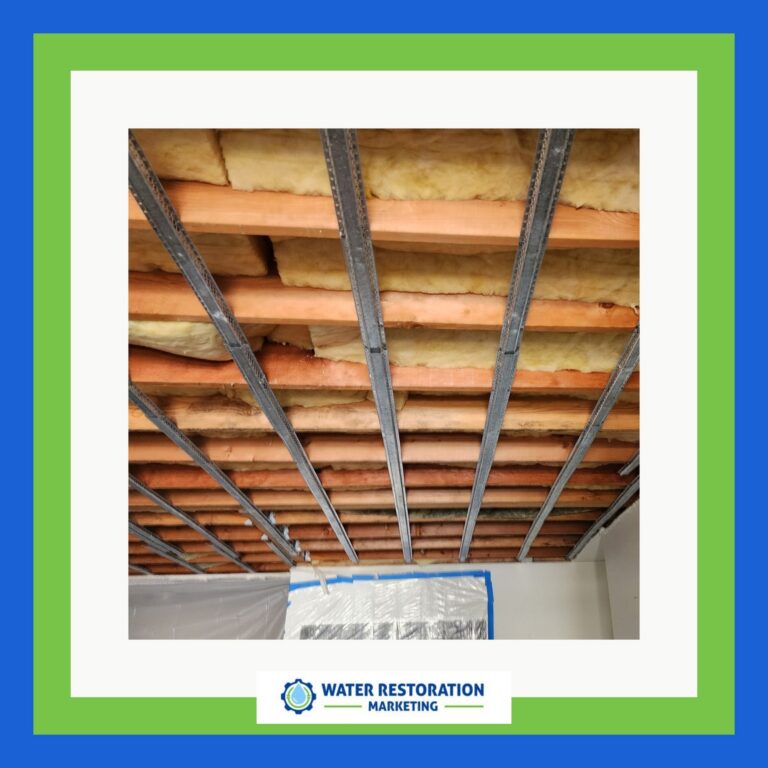
While many homeowners might underestimate the risks, understanding common causes of water damage is essential for protecting your property. Flood damage can strike unexpectedly, and it’s vital to be aware of potential sources.
Pipe leaks often occur unnoticed, leading to extensive issues over time. Basement moisture can create a breeding ground for mold, while appliance failures like a dishwasher leak can cause significant harm.
Storm impact is another serious concern, bringing heavy rain that can overwhelm your home. Plumbing issues and roof leaks can also lead to destructive water entry.
Finally, sewage backups pose health risks and potential damage. By knowing these causes, you’ll be better equipped to safeguard your home and loved ones.
Prevention Tips and Techniques
To effectively safeguard your home from water damage, understanding and implementing prevention techniques is essential.
Start with regular inspections to catch issues like ceiling leaks early. Invest in drainage solutions and flood barriers to redirect water away from your foundation.
For moisture control, consider sump pumps and pipe insulation to prevent freezing and bursting.
Landscaping strategies, like sloping your yard away from your home, can greatly reduce water accumulation.
Don’t forget about appliance maintenance; check hoses and connections regularly.
Finally, keep emergency kits handy in case of unexpected flooding.
How to Create How-To Videos That Address Common Repairs?
When creating how-to videos for common repairs, start by pinpointing the issues your audience faces most often.
Next, plan engaging content that not only informs but also captivates viewers.
Finally, promote your videos across various channels to maximize reach and impact.
Identify Common Repair Issues
Identifying common repair issues in water restoration not only helps you connect with your audience but also positions you as a go-to resource.
Start by focusing on leak detection and basement flooding these are frequent concerns that can lead to significant damage. Create how-to videos on pipe maintenance and moisture control, addressing restoration myths along the way.
Discuss the importance of mold prevention, emphasizing its impact on structural integrity. Highlight how effective emergency response can save homeowners from costly repairs and insurance coverage implications.
Plan Engaging Video Content
Creating how-to videos that tackle common repair issues is a powerful way to engage with your audience while showcasing your expertise in water restoration.
Use video storytelling to create relatable DIY tutorials that resonate with viewers. Incorporate expert interviews to build authority and trust, and consider a customer Q&A segment to address common concerns directly.
Share seasonal tips that are timely and relevant, and include case studies showcasing successful restorations.
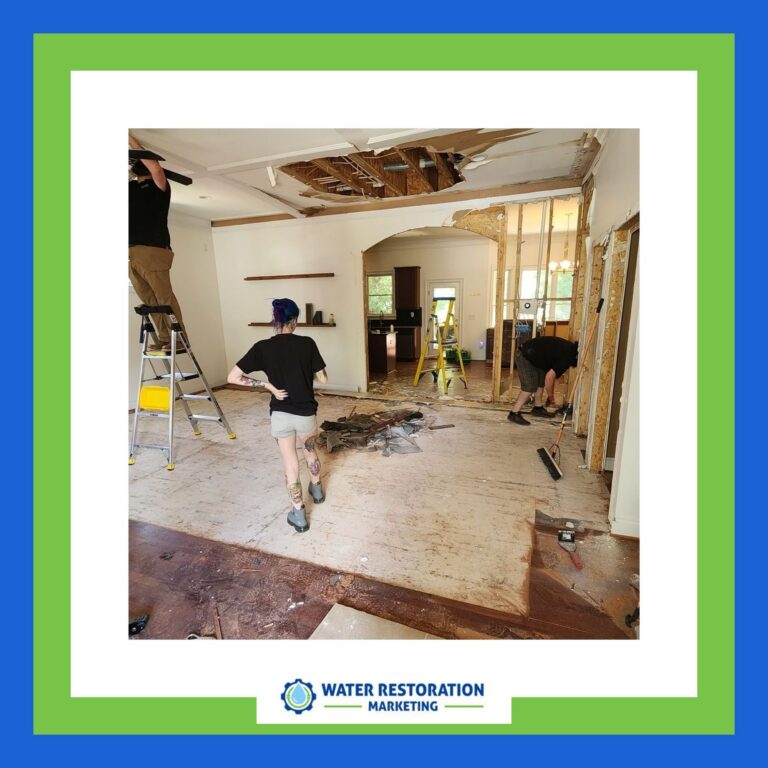
Give your audience a behind-the-scenes look at your processes and equipment showcases to demystify the work.
Challenge restoration myths and offer maintenance checklists to empower viewers.
This engaging content not only informs but also fosters a sense of community, inviting them to be part of the conversation.
Promote Across Multiple Channels
Although you’ve crafted engaging how-to videos to address common repairs, promoting them across multiple channels is essential to maximize their reach and impact.
Start by leveraging social media platforms to engage your audience through cross promotion. Share snippets on Instagram, Facebook, and Twitter, encouraging viewers to click through for the full video.
Utilize content syndication to distribute your videos on relevant blogs and forums, enhancing visibility. Consider targeted advertising to reach specific demographics interested in water restoration.
Optimize each platform for engagement; use analytics tracking to refine your strategy.
Don’t forget community outreach—partner with local businesses for strategic partnerships that expand your audience.
Through effective brand storytelling, you’ll create a sense of belonging around your content, fostering a loyal following.
Engage Your Community With Social Media Strategies
How can you effectively engage your community through social media? Start by practicing social listening—pay attention to audience feedback and understand their needs.
Create posts that encourage content sharing, showcasing user-generated content that highlights local events or community initiatives. This not only builds brand awareness but fosters a sense of belonging.
Organize social contests to spark excitement and participation, making your audience feel valued.
Strengthen community partnerships by collaborating with local organizations, amplifying your reach and impact.
Keep an eye on your engagement metrics to fine-tune your strategies.
With these approaches, you’ll cultivate meaningful community engagement that resonates and encourages deeper connections. Your social media can be a powerful tool for nurturing relationships and fostering trust.
Highlight Success Stories and Customer Testimonials
When you share success stories and customer testimonials, you not only showcase your expertise but also build trust within your community.
These narratives create a connection that resonates with potential clients. Here are three ways to effectively highlight these experiences:
Showcase Customer Success: Use real-life case studies that demonstrate effective solutions and positive outcomes.
Feature Testimonial Highlights: Capture powerful quotes from satisfied clients that reflect their feelings and experiences.
Encourage Client Engagement: Create platforms where clients can share their stories, fostering community and trust building.
Utilizing these visibility strategies allows you to amplify positive feedback and strengthen relationships.
Make Complex Information Easy With Infographics
Infographics can transform complex information into digestible visuals, making it easier for your audience to grasp essential concepts quickly.
By leveraging effective infographic design and data visualization, you can enhance your content strategy and foster stronger audience engagement.
Visual storytelling not only simplifies your message but also aligns with your branding consistency, making it recognizable and relatable.
Utilize infographic templates to streamline the creation process, ensuring your visuals remain accessible and informative.
These educational resources can clarify intricate topics like water restoration, inviting your audience into a shared understanding.
When you make information visually appealing, you create a welcoming space that encourages learning and connection, helping you build trust and visibility in your industry.
Use Email Newsletters to Nurture Leads Effectively
Capture your audience’s attention with engaging email newsletters that nurture leads and build lasting relationships.
Email marketing can be a powerful tool if you employ smart strategies. Here are three ways to make your newsletters shine:
Email Segmentation Strategies: Tailor your content based on interests, ensuring each recipient feels valued and understood.
Engaging Subject Lines: Craft compelling subject lines that inspire curiosity, making your audience enthusiastic to open your emails.
Valuable Content: Share tips, insights, and success stories that resonate with your readers, fostering a sense of community.
Hosting Webinars on Essential Water Restoration Practices
Hosting webinars on essential water restoration practices can transform your marketing strategy, as they not only educate your audience but also position you as an industry leader.
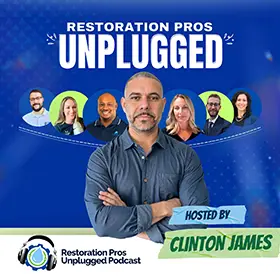
You can explore various webinar formats, like expert interviews and case studies that resonate with your audience. By focusing on audience engagement through interactive Q&A sessions, you’ll foster a sense of community.
Don’t forget resource sharing to provide valuable takeaways, and always include follow-up materials to reinforce key points. Use promotional strategies to attract attendees, and actively collect feedback to improve future sessions.
Finally, invite topic suggestions to guarantee your webinars address the needs and interests of your audience. This approach not only builds trust but also strengthens your brand’s visibility.
Partnering With Local Influencers to Promote Your Services
When you team up with local influencers to promote your water restoration services, you can tap into their established trust and reach within the community.
These influencer partnerships can create authentic storytelling that resonates with potential customers.
Here are three ways to engage effectively:
Collaborative Campaigns: Work together on projects that showcase your services, such as local events or community outreach initiatives.
Brand Ambassadors: Choose influencers who embody your values and can genuinely represent your brand.
Content Co-Creation: Develop engaging content that highlights both your services and the influencer’s unique voice, enhancing audience engagement.
Frequently Asked Questions
How Can I Assess Water Damage Severity in My Home?
To assess water damage severity, you’ll want to conduct a mold inspection and use moisture detection tools. Check walls, ceilings, and floors for dampness, and don’t hesitate to call professionals if needed. Your home deserves it!
What Are the Costs Associated With Water Restoration Services?
Water restoration service pricing varies by severity. Expect a cost breakdown including inspection, cleanup, and repairs. Factors like location and damage extent influence total costs, so getting multiple quotes helps you find the best option.
How Long Does the Water Restoration Process Typically Take?
Typically, the water damage timeline unfolds over several phases: inspection, extraction, drying, and restoration. You’ll usually see results within a few days, but complex cases might take longer. Stay patient; restoration’s worth it!
What Insurance Coverage Is Available for Water Damage?
For water damage, you typically have flood insurance and home warranties. Flood insurance covers specific incidents, while home warranties often include plumbing issues. Check your policies to confirm you’re protected when disaster strikes.
Are DIY Water Damage Repairs Effective and Safe?
DIY water damage repairs can be effective, but they come with risks. You’ll need to guarantee repair safety, focus on mold prevention, and consider long-term effects to truly protect your home and health.
To Sum Up
So, while you could keep your water restoration marketing as thrilling as watching paint dry, why not turn it into a splashy spectacle? By crafting engaging content—think how-to videos and success stories you’ll not only dry those tears of water damage but also build trust faster than a leaky faucet! Immerse yourself in social media, team up with local influencers, and watch your visibility soar. After all, who wouldn’t want to be the lifesaver in their community?