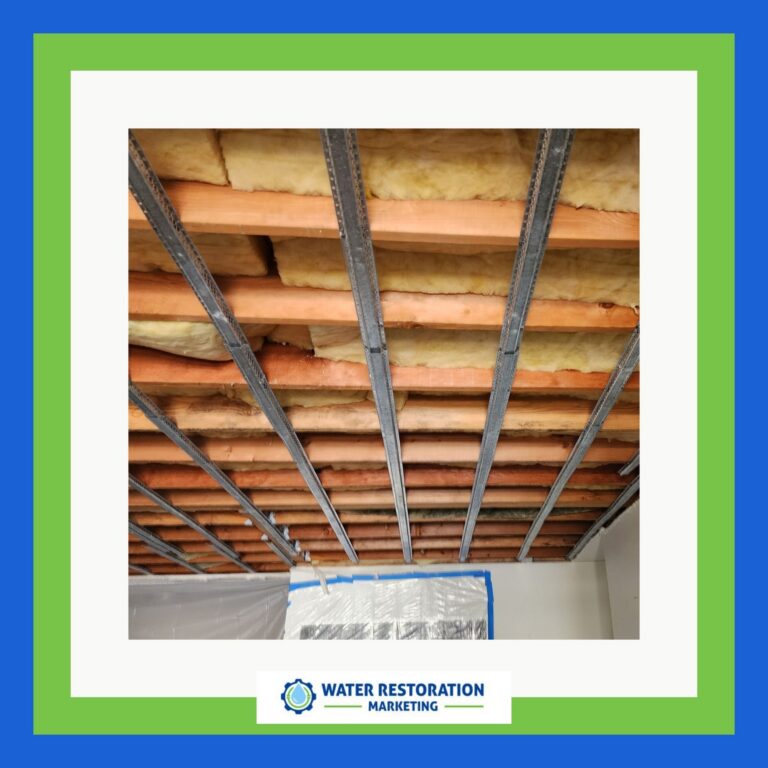
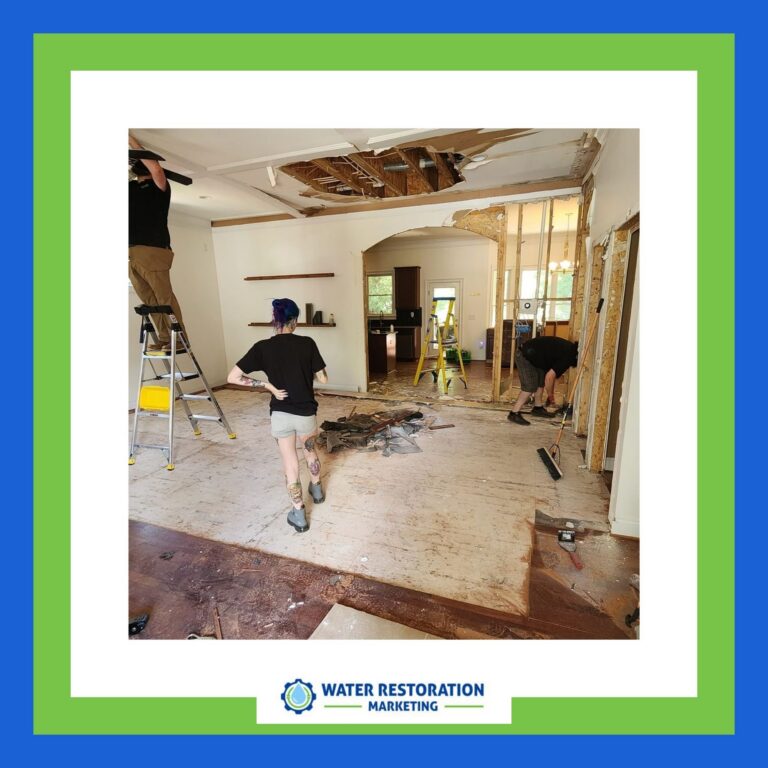
When a burst pipe floods a kitchen at 2 a.m., you need water damage Google Ads to put your number in front of homeowners who are ready to call now. You can drive emergency lead generation with call-only ads, urgent keywords, and local targeting that cuts wasted spend. The real lift comes from timed bids, strong ad copy, and tracked calls—but the biggest ROI move is the one most campaigns miss.
Key Takeaways
- Use call-focused Google Ads to capture urgent “water damage repair near me” searches and drive immediate phone leads.
- Target mobile users, emergency keywords, and local intent with tightly themed ad groups and urgency-driven ad copy.
- Raise bids during nights, weekends, and other high-conversion periods to win more emergency restoration auctions.
- Send clicks to fast, call-optimized landing pages with visible phone numbers, click-to-call buttons, and strong trust signals.
- Track every call by keyword, ad, and time of day to measure lead quality and scale the campaigns that generate revenue.
How Water Damage Google Ads Capture Emergency Calls?
Water damage Google Ads capture emergency calls by putting your restoration business in front of people searching for immediate help right when a leak, flood, or burst pipe happens.
You win when your ads match urgent, high-intent queries, because searchers need a solution now, not later.
With water damage Google Ads, you tap into measurable demand, track call-driven conversions, and connect budget to real response volume.
Strong relevance lifts click-through rates, while local visibility increases trust and speeds action.
You reduce wasted spend by reaching homeowners and property managers at the exact moment they’re ready to call.
That’s why this channel converts so well: it aligns intent, timing, and mobile behavior.
When every minute matters, your ad can become the fastest path to a booked emergency job.
Set Up Call-Focused Water Damage Campaigns
Set up call-focused water damage campaigns with call-only ads so you can turn urgent Google Ads searches into immediate phone leads.
Add emergency call extensions to your water damage Google Ads to boost tap-to-call rates and capture high-intent restoration prospects fast.
Call-Only Ad Setup
Call-only water damage Google Ads put your phone number front and center so you can turn urgent searches into immediate calls from homeowners who need help now.
You should build these campaigns for mobile users, because emergency water damage leads convert fastest when callers can act without friction.
Use tightly themed ad groups, exact and phrase match keywords, and urgency-driven copy that reinforces “24/7 water damage restoration” and “immediate response.”
Link each ad to a call-optimized landing experience that loads fast and confirms your service area.
Track call conversions, call duration, and search terms so you can cut waste and scale only queries that generate booked jobs.
When you structure call-only ads correctly, you’ll capture high-intent restoration demand and improve your cost per qualified emergency call.
Emergency Call Extensions
When you want more emergency water damage leads, add call extensions to your Google Ads so searchers can reach your team without extra clicks. You’ll turn urgent water damage searches into tracked calls, especially on mobile, where intent peaks and friction kills conversions.
Pair call extensions with tight geo-targeting, emergency keywords, and ad scheduling so your number appears only when you can answer fast. Use a dedicated restoration line, record call duration, and optimize for qualified conversations, not raw volume.
In Google Ads, enable call reporting, assign value to each inbound call, and review search terms weekly to block low-intent clicks. For mastery, treat every extension as a conversion asset that shortens response time, lifts CTR, and feeds high-intent restoration leads.
Choose Keywords for Urgent Restoration Searches
You should target emergency search terms like “water damage repair near me,” “flood cleanup,” and “24/7 water restoration” to capture urgent water damage searches when intent is highest.
Use high-intent keyword matches to filter out low-quality traffic and drive more emergency calls from people ready to act now.
In Water Damage Google Ads, this keyword strategy helps you turn fast-moving search demand into qualified restoration leads.
Emergency Search Terms
To capture urgent restoration demand fast, target emergency search terms that signal immediate water damage needs, such as “water damage restoration near me,” “emergency water cleanup,” “burst pipe repair,” and “flood damage service.”
You’ll win more emergency calls when your Google Ads mirror real crisis language and match local intent. Focus on phrases that imply speed, damage, and repair, because those queries convert under pressure.
Prioritize location-based queries with “near me” and city names.
Include damage-action terms like “cleanup,” “repair,” and “restoration.”
Track search volume and call-through rate to refine winners.
When you build keyword lists this way, you increase qualified leads, reduce wasted spend, and position your campaign for measurable restoration demand.
High-Intent Keyword Matches
High-intent keyword matches put your ads in front of people ready to call, not just browse, so target exact and phrase variations like “water damage restoration,” “emergency water cleanup,” “flood restoration near me,” and “burst pipe repair.”
You’ll capture users with urgent intent and higher conversion rates when your ads align with immediate problems. Build tightly themed ad groups, map each keyword to a matching landing page, and use strong calls to action like “24/7 Dispatch” and “Get Help Now.”
Track search term reports weekly, then add negative keywords to block research traffic and protect budget. In water damage Google Ads, precision beats reach because every click should signal a likely emergency lead.
Focus on local modifiers, service terms, and problem-based queries to maximize ROI.
Write Water Damage Ads That Get More Calls
A few tightly written water damage ads can turn urgent search traffic into more calls by matching what distressed homeowners need right now.
You should lead with the problem, the service, and the response speed, because water damage Google Ads win when the message feels immediate and specific. Use strong keywords like emergency water removal, flood cleanup, and water damage restoration to lift relevance and click intent.
Promise a clear outcome: stop damage, dry fast, restore now.
Add trust signals: 24/7 response, licensed techs, local service.
Use a direct call to action: call now for immediate dispatch.
When you test headlines and descriptions, track call rate, CTR, and conversion volume. That data shows which ad language drives more emergency leads.
Build Landing Pages That Drive Fast Calls
Once your ads are pulling in urgent clicks, your landing page has to turn that intent into calls fast.
You need a single-purpose water damage landing page with one clear CTA: Call Now. Put the phone number above the fold, use click-to-call buttons, and repeat the offer after every proof point.
Match ad copy to the headline so searchers know they’re in the right place. Load fast, cut distractions, and remove navigation that leaks conversions.
Use trust signals like reviews, response-time claims, insurance help, and 24/7 emergency service to reduce friction.
Keep forms short if you use them, but prioritize calls because emergency prospects want immediate help.
Track call clicks, scroll depth, and conversion rate so you can optimize for more high-intent leads.
Target Local Water Damage Jobs by Location
Pinpointing the right map pins matters: target water damage Google Ads by city, ZIP code, and service area so you spend on nearby searches that are most likely to call now.
You’ll improve lead quality when you align keywords, locations, and landing pages around each market you serve. Use radius targeting to exclude distant clicks, and split campaigns by core metros so you can measure call volume, cost per lead, and conversion rate with precision.
- Build city-level campaigns for top restoration markets.
- Layer ZIP codes around flood-prone neighborhoods.
- Exclude locations outside your true response zone.
When you match service areas to actual truck routes, you cut waste and raise emergency demand.
That’s how you turn local intent into booked inspections.
Adjust Bids for Nights and Weekends
After you’ve matched your ads to the right cities and service areas, shift your budget toward the hours when water damage emergencies spike.
In water damage Google Ads, nights and weekends often convert at higher rates because homeowners search when leaks, bursts, and floods can’t wait. Raise bids during those windows so your emergency restoration ads win more auctions and capture urgent, high-intent searches.
Lower bids during low-response periods to protect spend and improve efficiency. Use device, location, and schedule adjustments to concentrate budget where call volume and conversion intent are strongest.
Monitor impression share, CPC, and conversion rate by hour to refine your bidding model. When you align bids with demand patterns, you increase qualified leads, reduce wasted clicks, and turn time-sensitive searches into faster, more profitable jobs.
Track Calls and Improve Lead ROI
To improve water damage Google Ads ROI, you need to track every call and tie it back to the right campaign, ad group, and keyword. Use call tracking numbers, recorded outcomes, and conversion values so you can see which emergency water damage searches become booked jobs.
When you measure qualified calls, you can cut waste, raise bids on high-intent terms, and improve your lead cost fast.
Track call duration, missed calls, and booked estimates.
Assign values to after-hours and same-day emergency leads.
Review reports weekly and optimize keywords, ads, and landing pages.
With clean data, you’ll know which water damage Google Ads drives revenue, not just clicks. That lets you scale the campaigns that answer urgent intent and deliver stronger restoration lead ROI.
Frequently Asked Questions
How Quickly Should Water Damage Ads Start Showing After Launch?
You should see water damage ads start showing within minutes to a few hours after launch, once Google approves them. Monitor impressions, clicks, and calls daily, then optimize bids and keywords fast for urgent leads.
What Budget Works Best for Small Restoration Companies?
You’ll usually start best with $1,500–$3,000 monthly. It’s not guesswork; it’s fuel. Track CPC, call volume, and conversion rate, then scale what turns urgent searches into qualified restoration leads.
Should Insurance-Related Keywords Be Included in Campaigns?
Yes, include insurance-related keywords if you want higher-intent leads. You’ll capture homeowners comparing claims help, lift call volume, and qualify better with negatives, tight match types, and landing pages that emphasize fast emergency response.
How Do Competitors Affect Water Damage Ad Performance?
Competitors raise CPCs and squeeze impressions, yet you can outbid them with tighter keywords, faster response, and sharper ads. Monitor auction insights, optimize Quality Score, and you’ll capture more emergency calls and higher-converting restoration leads.
What Ad Extensions Help Improve Emergency Call Rates?
Call extensions, location extensions, sitelinks, and structured snippets help you boost emergency calls. You’ll surface phone numbers fast, build trust, and guide urgent searchers to contact you immediately, increasing high-intent restoration leads.
Review
When water floods a home, you need Google Ads to work like a lifeline, not a billboard. By tightening your call-focused campaigns, choosing high-intent keywords, and adjusting bids for nights and weekends, you can capture emergency leads when urgency peaks. Track every call, test every ad, and refine your local targeting to boost ROI. In this race against the clock, your campaign can be your modern-day lighthouse, guiding desperate homeowners straight to your restoration team.