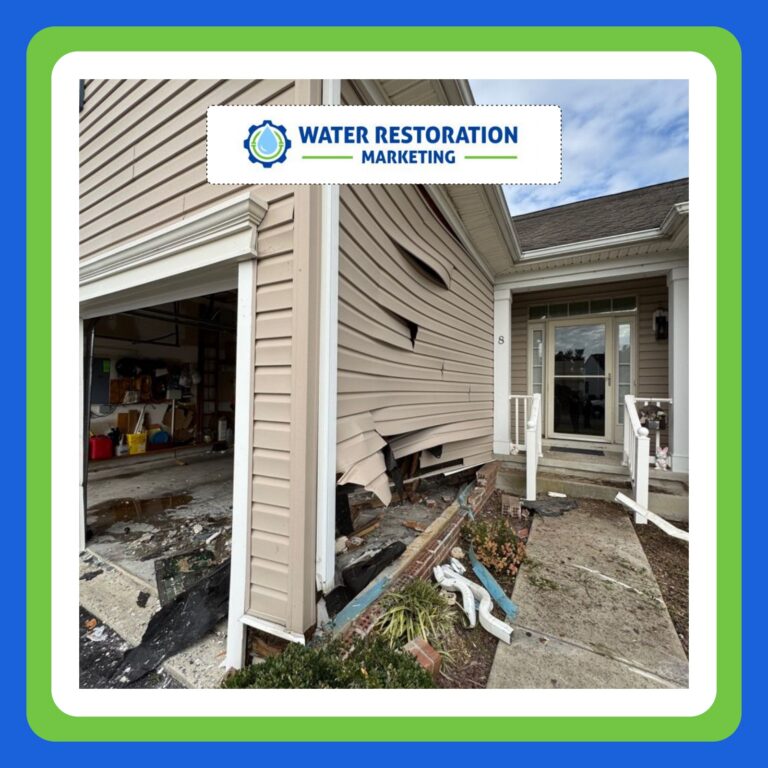
Top Email Strategies for Restoration Lead Generation
To effectively generate leads in the restoration industry, you need to harness the power of email marketing. By understanding your audience and crafting tailored messages, you can greatly improve engagement. It’s not just about sending emails; it’s about creating a connection that drives action. Curious about the key strategies that can elevate your email campaigns? Let’s explore what truly makes the difference in lead generation.
Key Takeaways
- Segment your audience based on demographics and behaviors to tailor messages that resonate with their specific needs and pain points.
- Craft compelling subject lines using urgency and personalization to increase open rates and engage recipients effectively.
- Utilize high-quality visuals in your emails to enhance storytelling and create emotional connections with your audience.
- Implement A/B testing to optimize subject lines, CTAs, and content layouts, ensuring continuous improvement of your email campaigns.
- Develop drip campaigns that nurture leads with relevant content, maintaining compliance with email regulations to build trust and authenticity.
Understanding Your Target Audience
How well do you really know your target audience? Understanding your audience demographics is essential for effective lead generation. You can’t just assume what people want; you need to dive deep into the specifics.
Create detailed buyer personas that represent your ideal clients. These personas should encapsulate age, location, interests, and pain points, allowing you to tailor your messaging and approach.
By analyzing audience demographics, you can identify common trends and preferences, enabling you to craft messages that resonate. This targeted strategy not only increases your open rates but also boosts engagement, turning casual readers into potential leads.
Don’t underestimate the power of insight; mastering your audience’s nuances will set you apart in a crowded market. When you speak directly to their needs, you position yourself as a trusted resource, making it far more likely that they’ll choose your services when the time comes.
Crafting Compelling Subject Lines
While crafting compelling subject lines might seem like a small detail, it’s one of the most critical elements in your email marketing strategy.
To master subject line psychology, you need to understand that your audience makes split-second decisions based on your words. Use urgency tactics to create a sense of immediacy; phrases like “Limited Time Offer” or “Act Now” can drive higher open rates.
Experiment with curiosity-driven questions or bold statements, enticing recipients to click. Keep it concise—aim for 6-10 words to ensure visibility across devices.
Don’t underestimate the power of personalization; a tailored subject line can resonate deeply, making recipients feel valued.
Test different approaches to see what works best for your audience. By honing your subject lines, you’re not just improving open rates; you’re setting the stage for a more engaged, responsive readership, ultimately leading to better lead generation for your restoration business.
Personalizing Your Email Content
To truly engage your audience, you need to personalize your email content.
Start by segmenting your audience effectively, which allows you to send targeted messages that resonate.
Then, incorporate dynamic content strategies that adjust based on your readers’ preferences, ensuring every email feels tailored just for them.
Segment Your Audience Effectively
When you tailor your email content by effectively segmenting your audience, you not only enhance engagement but also greatly boost your chances of converting leads into loyal customers.
Start by analyzing your audience demographics, such as age, location, and interests. This foundational data allows you to group your audience in a way that aligns with their specific needs.
Next, employ behavioral segmentation by examining how your leads interact with your emails and website. By understanding their actions, you can craft targeted messages that resonate deeply.
This approach fosters a sense of personalization and drives higher open and click-through rates.
Master the art of segmentation, and watch your email campaigns transform into powerful lead generation tools.
Use Dynamic Content Strategies
Building on effective audience segmentation, leveraging dynamic content strategies can greatly elevate your email marketing efforts.
By tailoring your messages based on user behavior, preferences, and demographics, you create a more engaging experience. Dynamic content examples include personalized product recommendations, location-specific offers, and tailored messaging based on previous interactions.
These elements capture attention and increase conversion rates, driving higher engagement. The dynamic content benefits are clear: you foster a deeper connection with your audience, enhance relevance, and boost your ROI.
Ultimately, adopting these strategies empowers you to transform your email campaigns from generic blasts into targeted communications that resonate with each recipient, establishing a solid foundation for ongoing customer relationships.
Craft Compelling Subject Lines
Crafting compelling subject lines is essential for capturing your audience’s attention in a crowded inbox, as these few words often determine whether your email gets opened or ignored.
To master subject line psychology, focus on clarity and intrigue. Use urgency tactics, like “Limited Time Offer” or “Act Now!” to create a sense of immediacy. Tailor your subject lines by incorporating recipient names or relevant topics to boost engagement.
Numbers also work well, as they promise concise information, e.g., “5 Tips for Immediate Restoration.” Test various styles to see what resonates best with your audience, and don’t shy away from A/B testing to refine your approach.
An impactful subject line is your gateway to effective communication and lead generation.
Utilizing High-Quality Visuals
Incorporating high-quality visuals can transform your email campaigns into engaging narratives that resonate with your audience.
By using visual storytelling techniques and eye-catching design elements, you not only capture attention but also enhance comprehension and retention.
As you craft your emails, think about how these visuals can elevate your message and drive lead generation.
Visual Storytelling Techniques
While many marketers focus on text-heavy emails, utilizing high-quality visuals can greatly enhance your lead generation efforts. A compelling visual narrative not only captures attention but also evokes emotions, leading to deeper connections with your audience.
High-quality imagery can magnify your message’s impact, making complex ideas more digestible. When you strategically incorporate visuals, you create a sophisticated storytelling experience that guides potential clients through your offerings.
Think about how stunning images of restoration projects can showcase your expertise, transforming mere words into vivid representations of success. By harnessing the power of visuals, you elevate your email campaigns, encouraging recipients to engage, respond, and ultimately convert.
Don’t underestimate the potential of imagery; it’s an essential tool for mastery in lead generation.
Eye-Catching Design Elements
An effective email design can make all the difference in capturing your audience’s attention and driving engagement. Incorporate high-quality visuals that align with your brand message; this isn’t just aesthetics—it’s strategy.
Utilize color psychology to evoke emotions and guide decision-making. For instance, blue fosters trust while green signifies growth, critical elements in restoration services.
Next, focus on layout optimization. A clean, organized structure leads the reader’s eye naturally through your content, ensuring they absorb key messages without distraction.
Use headers and whitespace effectively to enhance readability. By harmonizing these elements—visuals, color psychology, and layout—you create emails that attract and convert, fostering lasting relationships with your audience.
Make your designs resonate, and watch your engagement soar.
Implementing Clear Calls to Action
Crafting a clear call to action (CTA) is essential for guiding your audience towards the next step in their journey.
To maximize engagement, use effective language and urgency tactics that prompt immediate responses. Here’s how to implement compelling CTAs:
Be Direct: Use straightforward phrases like “Get your free quote now” to eliminate ambiguity.
Create Urgency: Phrases such as “Limited time offer!” instill a sense of urgency that can drive quicker decisions.
Highlight Benefits: Make it clear what your audience gains, e.g., “Start your restoration project today for a healthier home.”
Design for Visibility: Position your CTA prominently within the email and use contrasting colors to grab attention.
Segmenting Your Email List
Segmenting your email list can greatly enhance your lead generation efforts, as it allows you to tailor your messages to specific audience groups. By leveraging list segmentation based on audience demographics and behavioral targeting, you can meaningfully improve engagement metrics and conversion rates.
Here’s a quick overview of effective segmentation strategies:
| Segment Type | Purpose |
|---|---|
| Demographic Segments | Target based on age, location, etc. |
| Behavioral Segments | Focus on past interactions and purchase history |
| Engagement Segments | Identify highly engaged vs. low-engaged users |
Testing and Optimizing Email Campaigns
To effectively boost your email campaign’s performance, it’s essential to prioritize testing and optimization. Implementing A/B testing is a powerful way to identify what resonates with your audience.
Focus on these key areas:
Subject Lines: Experiment with different tones and lengths to see what garners more opens.
Call to Action (CTA): Test various phrasing and placements to discover which prompts more clicks.
Send Times: Analyze when your audience is most engaged, and adjust your schedule accordingly.
Content Layout: Try different formats—text-heavy vs. image-rich—to gauge what keeps readers engaged.
Utilizing email analytics will provide you with the insights needed to make informed decisions.
Analyzing Email Performance Metrics
Analyzing email performance metrics is essential for understanding the effectiveness of your campaigns and making data-driven adjustments. By closely monitoring your email open rates, you can gauge how well your subject lines and sending times resonate with your audience. A high open rate indicates that your messaging is compelling, while a low rate may signal the need for improvement in your approach.
Next, engage in click-through analysis to assess engagement levels. This metric reveals how many recipients took action after opening your email, providing insights into the effectiveness of your content and calls to action. If clicks are low, consider experimenting with different content formats or more enticing offers.
Regularly evaluating these metrics empowers you to refine your strategies, ensuring your email campaigns not only reach inboxes but also drive meaningful interactions.
Mastering this process will ultimately lead to enhanced lead generation and conversion rates.
Creating Drip Campaigns for Nurturing Leads
While nurturing leads, creating effective drip campaigns can greatly enhance your chances of converting prospects into loyal customers.
To master this strategy, consider implementing the following key elements:
Drip Frequency: Determine how often you’ll send emails. Too frequent can overwhelm; too sparse can be forgettable. Aim for a balanced approach.
Content Variety: Mix up your content types. Use educational articles, customer testimonials, and promotional offers to keep engagement high.
Segmentation: Tailor your campaigns based on lead interests and behaviors. Personalization increases relevance and response rates.
Call-to-Action (CTA): Each email should have a clear and compelling CTA. Guide your leads on the next steps to take.
Ensuring Compliance With Email Regulations
To effectively harness email for lead generation, you need to grasp the intricate web of email regulations.
Understanding laws surrounding consent and opt-in processes is essential, as is ensuring your recipients can easily unsubscribe.
Understanding Email Laws
Understanding email laws is essential for anyone looking to harness the power of email marketing effectively.
Email compliance isn’t just a best practice; it’s a legal necessity that can have serious legal implications if ignored.
To ensure you’re on the right side of the law, keep these key points in mind:
Familiarize yourself with the CAN-SPAM Act and GDPR regulations.
Maintain accurate records of consent and unsubscribe requests.
Include clear opt-out options in every email you send.
Avoid misleading subject lines to ensure transparency with recipients.
Consent and Opt-In
Even with a solid grasp of email laws, the importance of consent and opt-in practices can’t be overstated. Without proper email consent, your lead generation efforts may fall flat, risking your reputation and potential legal repercussions.
The opt-in process is your golden ticket to building a compliant and engaged email list. It’s vital to ensure that subscribers clearly understand what they’re signing up for, fostering trust and transparency.
Implement double opt-in methods to further validate interest and enhance authenticity. By prioritizing these practices, you’re not just adhering to regulations; you’re creating a robust foundation for future communication.
Mastering consent and the opt-in process will set your restoration business apart in a competitive landscape.
Unsubscribe Requirements
One essential aspect of email marketing that often gets overlooked is the unsubscribe requirement. Failing to comply can lead to hefty fines and damage your brand’s reputation.
To ensure your unsubscribe process is seamless and effective, consider the following:
Visibility: Make the unsubscribe link easy to find in every email.
Simplicity: Keep the unsubscribe process straightforward; avoid unnecessary steps.
Email Preferences: Allow users to manage their email preferences instead of forcing a complete unsubscribe.
Confirmation: Send a confirmation email once someone opts out, reinforcing your professionalism.
Frequently Asked Questions
What Tools Can I Use for Email Automation?
You can use tools like Mailchimp or ActiveCampaign for email automation. They offer features like email segmentation and personalization techniques, helping you target your audience effectively and increase engagement with your campaigns. Master these tools for success!
How Often Should I Send Marketing Emails?
Imagine a gardener watering plants; too much or too little can stifle growth. Aim for email frequency that respects your audience’s preferences. Segment your list to tailor content and optimize engagement without overwhelming them. Balance is key.
What Is the Best Time to Send Emails?
The best time to send emails typically falls mid-week, around 10 AM. By segmenting your audience based on engagement patterns, you can optimize your timing and boost open rates, leading to better results overall.
How Do I Handle Unsubscribes Effectively?
You handle unsubscribes effectively by prioritizing unsubscribe management and maintaining email list hygiene. Regularly analyze unsubscribe reasons, adjust content accordingly, and ensure your list remains engaged to minimize future unsubscribes and enhance overall performance.
Can I Use Emojis in My Subject Lines?
Emojis can enhance engagement, elevating subject line effectiveness. Their vibrant visuals create curiosity, increasing open rates. Ensure your emoji impact aligns with your audience’s preferences to maintain professionalism while capturing their attention.
Final Thoughts
In the dynamic world of restoration lead generation, mastering email strategies can be your golden key to success. By understanding your audience and crafting personalized, engaging content, you open the door to higher conversion rates. Remember, each email is a conversation starter; make it count! With consistent testing and compliance, you’ll nurture leads and build lasting trust. So, roll up your sleeves and turn these strategies into your secret weapon for growth!