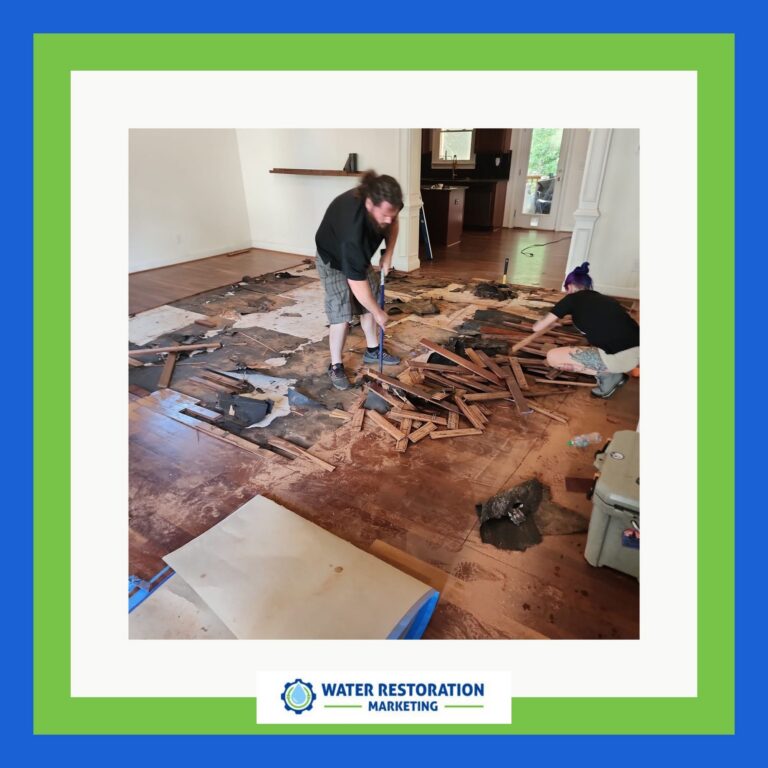
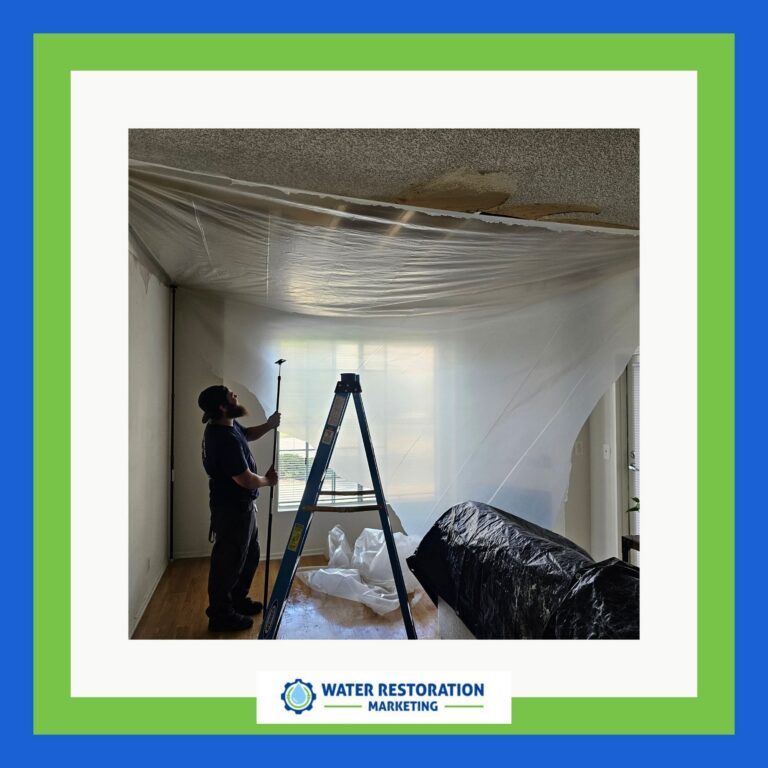
A flooded basement at 2 a.m. is where your Google Ads strategy either wins the call or loses it. You need to target high-intent emergency keywords, tighten geo-settings, and send each click to a fast, relevant landing page that converts under pressure. When you filter out low-quality calls and track booked jobs, not just leads, you start seeing which campaigns actually protect margin—and which ones quietly drain budget.
Key Takeaways
- Target urgent, high-intent keywords like “water damage repair near me” and “24/7 mold removal” with exact and phrase match.
- Structure campaigns by service type and emergency intent, using tight ad groups for water, fire, and mold restoration.
- Write direct-response ads with “Call Now” messaging, local relevance, and trust signals to capture emergency searchers.
- Send traffic to fast landing pages with above-the-fold forms, matching headlines, and clear qualification rules to filter junk leads.
- Track calls, forms, and booked jobs in a CRM, then review search terms weekly to add negatives and shift spend to profitable queries.
Capture Urgent Restoration Leads
To capture urgent restoration leads, you need to target high-intent searches like “water damage repair near me,” “emergency fire restoration,” and “24/7 mold removal” with tightly structured Google Ads campaigns.
You’ll win faster when your restoration Google Ads strategy prioritizes immediate need, clear service alignment, and strong local relevance. Use exact-match intent, compelling ad copy, and dedicated landing pages that reinforce response time, availability, and proof of expertise.
Track calls, form fills, and booked inspections as separate conversion signals so you can optimize toward revenue, not vanity metrics. Monitor click-through rate, conversion rate, and cost per qualified lead to identify which terms drive real jobs.
When you segment by service line and urgency, you reduce waste and improve lead quality without sacrificing scale.
Choose High-Intent Emergency Keywords
You should target emergency search terms like “water damage repair now” and “fire restoration near me” because they signal immediate need and usually convert at a higher rate.
Add service-specific keywords for each job type so you can match search intent more precisely and improve lead quality.
Layer in local intent keywords to capture nearby prospects, control spend, and drive more booked jobs from high-value searches.
Emergency Search Terms
When a water, fire, or mold emergency hits, people don’t browse—they search fast, so your Google Ads should focus on high-intent terms that signal immediate need, like “water damage restoration near me,” “emergency fire cleanup,” and “24/7 mold removal.”
These keywords usually drive the strongest leads because they capture users who need help now, not later, which improves booking rates and reduces wasted spend. You should analyze search query reports weekly, identify terms with strong conversion intent, and cut anything that attracts research-only traffic.
Prioritize phrases with urgency, location intent, and service readiness. Then match bids to lead value, not vanity volume. That way, you keep your budget concentrated on searches most likely to turn into dispatched jobs, signed estimates, and revenue.
Service-Specific Keywords
Emergency search terms get you in front of people who need help right away, and service-specific keywords sharpen that intent by matching the exact problem they’re facing.
You should build ad groups around exact services like water damage extraction, mold remediation, fire damage cleanup, sewage removal, and storm damage repair. These terms filter out low-value clicks and raise conversion quality because searchers already know what they need.
Use match types strategically, then review search term data to cut waste and expand winners. Track cost per lead, lead-to-booking rate, and impression share so you can see which services generate the strongest return.
When you align keyword intent with your landing page offer, you improve relevance, lift Quality Score, and capture more emergency demand efficiently.
Local Intent Keywords
Local intent keywords help you capture nearby searchers who are ready to act, so focus on terms that combine the service, the problem, and the location, like “water damage restoration near me,” “mold remediation in [city],” or “24/7 fire damage cleanup [zip code].”
These queries usually signal higher intent, lower wasted spend, and better booked-job rates because the searcher needs immediate help and wants a provider they can trust locally.
You should segment campaigns by city, ZIP code, and service area, then layer in emergency modifiers such as “emergency,” “same day,” and “24/7.”
Track conversion rates by location, call quality, and booked estimates.
When a term drives strong lead-to-job ratios, raise bids and expand coverage; when it underperforms, tighten negatives and geographic targeting to protect ROI.
Set Geo-Targets for Your Service Area
To keep your restoration Google Ads budget focused on high-value calls, set geo-targets around the exact cities, ZIP codes, and radius you can realistically serve.
You should exclude distant areas that inflate impressions but rarely convert into booked jobs. Use past job data, response times, and average ticket size to define your profitable territory.
Then layer bid adjustments by market density, storm exposure, and travel time so you can prioritize the highest-converting zones. If certain ZIP codes produce more emergency leads and faster dispatches, allocate more spend there.
Keep your coverage tight enough to protect service quality but broad enough to capture surge demand. Review location performance weekly, cut weak areas fast, and expand only when the numbers justify it.
Build a Restoration Google Ads Campaign
Build your restoration Google Ads campaign around high-intent search groups, tight ad groups, and landing pages that match each service and urgency level.
Segment by water, fire, mold, and storm work, then separate emergency from non-emergency intent so you can control bids with precision.
Use exact and phrase match to protect budget, and structure campaigns by service plus location to isolate performance.
Set conversion tracking for calls, forms, and qualified leads, then optimize to cost per booked job, not raw clicks.
Assign higher bids to proven markets, lower bids where lead quality weakens, and use negative keywords to block irrelevant traffic.
Keep budgets fluid, monitor search term reports daily, and refine structure based on conversion rate, impression share, and lead-to-close data.
Write Ads for Emergency Searchers
You should write ads that match urgent search intent with direct-response copy, so your message aligns with what emergency callers need right now.
Lead with clear service terms, response speed, and trust signals that improve click-through and pre-qualify high-intent leads.
Use strong “Call Now” messaging to drive immediate action and increase booked jobs.
Urgent Search Intent
When water is spreading or fire damage just happened, your ad needs to match the urgency behind the search. You’re bidding on intent signals that show immediate need, so prioritize terms like “emergency water removal,” “24/7 fire restoration,” and “damage repair near me.”
Segment these queries from routine research traffic and give them tighter budgets, stronger bids, and location-specific coverage. Use ad schedules that reflect call availability, and align messaging with response speed, service radius, and current capacity.
You’ll improve lead quality when your ads promise fast dispatch and local coverage, because emergency searchers convert on certainty, not curiosity. Track impression share, click-through rate, and booked-job rate separately for urgent terms, then refine based on which queries produce the shortest time-to-call and highest close rate.
Direct Response Copy
Urgent searches only convert when the ad promises a fast, specific outcome, so your copy should lead with response time, service type, and local availability.
You need direct-response language that filters for high-intent prospects and improves click quality. Use headlines built around measurable value: 24/7 water extraction, same-day board-up, or fire damage cleanup in your city.
Reinforce urgency with proof, not hype, and keep every line aligned with the searcher’s problem.
- Stop the panic fast
- Protect the property now
- Restore normal sooner
When you match the query exactly, you raise relevance, lift CTR, and lower wasted spend.
Test variations by service, location, and damage type, then keep the combinations that drive booked jobs at the best cost per lead.
Call Now Messaging
For many emergency searches, the strongest ad is the one that gets the phone ringing now, not later. You should make “call now” the primary action in your restoration ads when intent is high and delay kills conversion.
Use urgency signals like 24/7 response, live dispatcher, and arrival ETA, then pair them with click-to-call extensions on mobile. Keep copy tight: name the disaster, state the service, and promise immediate help.
Measure call volume, qualified call rate, and booked-job rate, not just clicks. Then A/B test headlines that emphasize speed versus assurance.
If search terms show damage, flood, smoke, or burst pipe intent, bid more aggressively and route users straight to a staffed line. That’s how you convert panic into profit.
Send Clicks to a Fast Landing Page
Send clicks to a fast landing page so you capture high-intent restoration leads before they bounce. You’re buying urgency, so your page has to load in under three seconds, present one clear offer, and match the ad message exactly.
Keep the headline specific, the form above the fold, and the call to action obvious on mobile. Track load speed, conversion rate, and cost per booked estimate to see what’s working.
- When the page opens instantly, confidence rises.
- When the message matches, hesitation drops.
- When the path is simple, emergency intent turns into action.
Use compressed images, minimal scripts, and focused copy to protect speed. Every extra second can erode response, so optimize relentlessly.
Small gains in speed often create disproportionate lift in lead volume and ROI.
Filter Out Junk Calls and Clicks
To protect your budget and improve booked-job volume, you need to filter out junk calls and clicks before they drain spend.
Start by reviewing search term reports daily and add negative keywords for DIY, jobs, training, and free. Exclude irrelevant locations, device types, and hours that produce low-intent traffic.
Use call extensions with call tracking so you can spot hang-ups, wrong numbers, and spam patterns fast. Set qualification rules in your intake process, then adjust bids for terms that consistently generate unserviceable leads.

If certain phrases attract price shoppers or out-of-area callers, cut them immediately. You’re optimizing for emergency demand, so every click should signal urgency, location fit, and service need.
Tight filtering raises conversion rate, lowers wasted CPC, and strengthens account efficiency.
Track Booked Jobs, Not Just Leads
Once you’ve filtered out junk calls and clicks, the next step is measuring which leads actually become booked restoration jobs. You can’t scale profit if you only count form fills and ring time.
Tie Google Ads data to your CRM, then track the path from keyword to call, estimate, dispatch, and invoice. When you see booking rates by campaign, you’ll know where demand turns into revenue.
- You feel control when every dollar has a job.
- You feel confidence when top campaigns prove real demand.
- You feel urgency when weak traffic stops hiding behind “leads.”
Use call recordings, lead source tags, and offline conversion imports to connect spend with booked work. That closes the loop and turns reporting into a growth system.
Optimize Restoration Google Ads Weekly
Weekly optimization keeps your restoration Google Ads account profitable because you can act on fresh data before waste compounds.
Each week, review search terms, match types, ad copy, bids, and landing page performance against booked jobs, not vanity metrics. Pause queries that spend without conversions, then add negatives to block irrelevant traffic.
Shift budget toward campaigns, locations, and devices producing qualified emergency calls. Test one ad variable at a time so you can isolate lift with confidence.
Tighten geo targeting if leads drift outside service areas. Monitor impression share to catch lost demand, and adjust bids where profitable volume is still available.
Use weekly patterns to spot seasonality, response delays, and after-hours gaps. Consistent iteration gives you control, speed, and better lead economics.
Frequently Asked Questions
How Do I Calculate a Profitable Cost per Booked Restoration Job?
Subtract your fulfillment costs and desired profit from each job’s revenue, then divide the remaining amount by your close rate. That gives you the maximum profitable cost per booked restoration job you can afford.
Should I Use Call-Only Ads for After-Hours Emergency Services?
Yes—use call-only ads after hours if you can answer every call fast; they’ll capture urgent demand. Track call quality, booked-job rate, and after-hours cost per lead, then pause segments that underperform.
How Can I Improve Lead Quality Without Reducing Urgent Call Volume?
You can improve lead quality by tightening keywords, adding negatives, and qualifying calls fast. Since 73% of buyers call within five minutes, you’re keeping urgency while filtering tire-kickers with location, service, and intent signals.
What Budget Split Works Best for Water, Fire, and Mold Services?
You’ll usually split budget 50% water, 30% fire, and 20% mold, then shift weekly by booked-job rate, CPA, and call quality. If mold converts cheaper, reallocate aggressively; if fire peaks, protect impression share.
How Do I Measure Which Keywords Produce Actual Signed Jobs?
You measure signed-job keywords by importing CRM outcomes into Google Ads, matching each lead to closed revenue, and comparing keyword-level conversion rate, cost per signed job, and lifetime value across campaigns weekly.
Conclusion
You’ve built a restoration Google Ads strategy that does what emergency marketing should do: capture intent fast, qualify leads early, and turn clicks into booked jobs. When you target urgent searches, tighten geo-settings, and send traffic to a fast, relevant landing page, you’re not just spending budget—you’re investing it. Keep tracking booked jobs, not vanity metrics, and optimize weekly. In restoration, every minute matters; in PPC, every click should count.