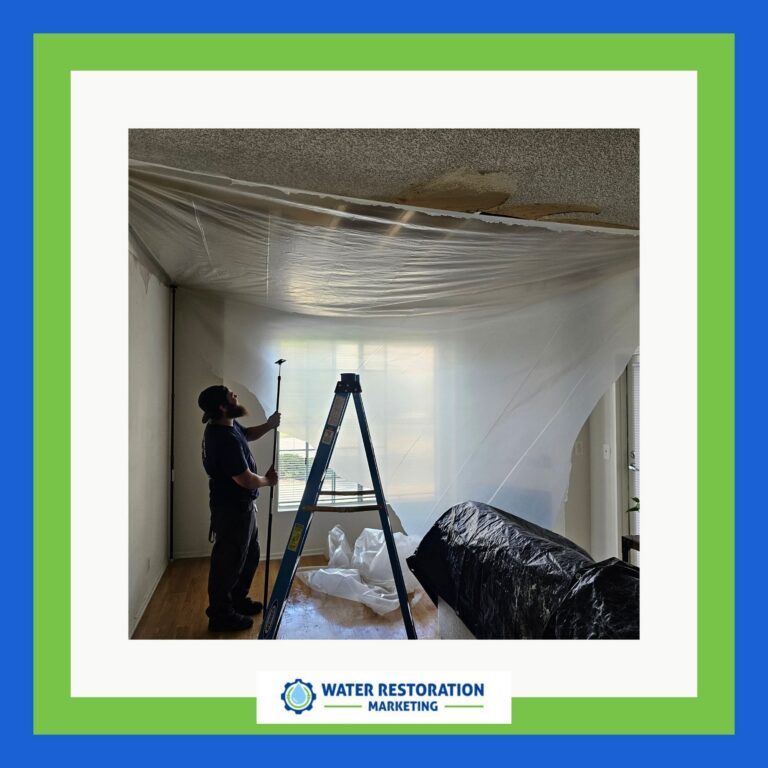
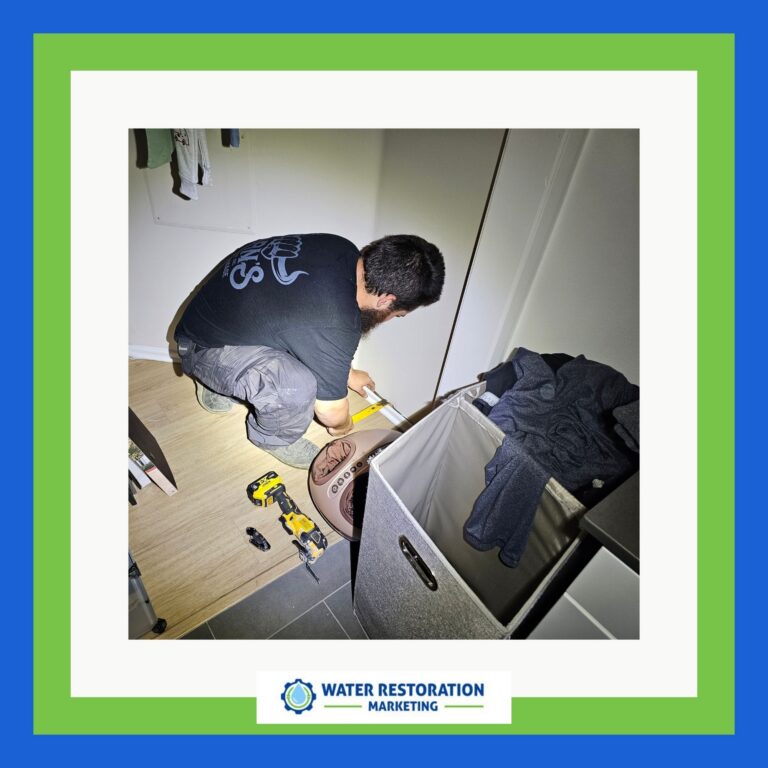
If you’re a restoration company in Phoenix and your phone stays quiet after a flood, your Restoration Company SEO strategy likely isn’t targeting the right local demand. You need more than keywords; you need a system that puts you in front of urgent searches, strengthens your Google Business Profile, and turns service pages into proof of trust. The real question is which Restoration Company SEO changes actually improve rankings, increase visibility, and generate more restoration jobs.
Key Takeaways
- Optimize your Google Business Profile, NAP details, and service areas to improve local visibility and trust.
- Use local, problem-based keywords like “water damage repair in Dallas” on targeted service pages.
- Build high-converting pages with clear calls to action, certifications, reviews, and easy contact options.
- Track leads by page, city, and service type to connect SEO efforts to booked jobs and revenue.
- Strengthen rankings with consistent SEO, competitor monitoring, helpful content, and positive customer testimonials.
How Restoration SEO Brings in Local Leads
How does restoration SEO bring in local leads? You target people who need help now, so your restoration company SEO speaks to urgent intent.
When you align pages, service details, and trust signals with nearby searchers, you make it easier for homeowners and property managers to choose you fast. You’re not just chasing clicks; you’re building relevance with the right audience.
Clear messaging, strong calls to action, and location-aware content help you connect with people who want a reliable team they can trust. That sense of fit matters.
It tells prospects you understand their problem, their area, and their pressure. With focused optimization, you attract qualified inquiries, reduce wasted traffic, and create a steady path from search to phone call.
How Local SEO Helps Restoration Companies Rank
You can improve your local rankings by optimizing your Google Business Profile so searchers see your company first for urgent restoration needs.
You should target local keywords that match how customers search in your service areas, then build service area pages that reinforce location relevance.
Together, these signals help Google connect your business to nearby jobs and qualified traffic.
Google Business Profile
A well-optimized Google Business Profile can be one of the fastest ways to improve local visibility for a restoration company. You give searchers a clear, trusted snapshot of who you are, what you do, and why they should call you now.
Keep your business name, address, phone number, hours, services, photos, and review responses consistent and complete. That consistency helps Google match you to nearby searchers with urgent needs.
You also build credibility when you post updates, answer questions, and show recent project photos. These signals tell people you’re active, reliable, and ready to help.
When your profile looks sharp and current, you don’t just rank better—you make it easier for your community to choose you with confidence.
Local Keywords
Local keywords act like a map for search engines, connecting your restoration services to the exact neighborhoods, cities, and emergency searches people use when they need help fast.
When you target phrases like “water damage repair in Dallas” or “mold removal near me,” you signal relevance and urgency. That helps you appear in searches from homeowners who want a trusted local team, not a distant general contractor.
Use terms that match how people actually ask for help, then weave them naturally into your homepage, titles, headings, and service content. Keep wording specific, consistent, and grounded in your real market.
The closer your language matches local intent, the easier it’s for search engines to place you in front of people who need your crew now.
Service Area Pages
Service area pages expand your restoration company’s local reach by giving each city or neighborhood its own optimized landing page.
You help search engines connect your services with nearby homeowners and property managers, which can lift rankings for location-based searches. Each page should target one area, include local keywords, and answer the questions people in that community ask after water, fire, or mold damage.
You’ll build trust faster when you show nearby projects, service times, and clear contact details. That signals you belong there, not just online.
Strong internal links also guide visitors to the right service, reducing friction and improving conversions. With focused pages, you don’t compete everywhere at once—you win the neighborhoods that matter most.
Optimize Your Google Business Profile
Your Google Business Profile should list complete business details so customers and search engines can trust your information.
You’ll want to keep your name, address, phone number, hours, and services accurate and consistent across every field.
Then add your service areas so you show up for the locations you actually serve and attract more qualified local leads.
Complete Business Details
A complete Google Business Profile gives restoration companies a stronger local presence and makes it easier for customers to choose you when they need help fast.
You should fill in every core field: business name, phone number, website, hours, description, and category. Consistency matters, so match your details across your site and listings.
When people see clear, accurate information, they trust you more and feel like they’re dealing with a real team that belongs in their community.
Add a short, keyword-aware description that explains your specialties without sounding stuffed. Review your profile regularly and update anything that changes.
Small gaps can weaken visibility, confuse leads, and cost you jobs. Complete details help Google understand your business and help customers act faster.
Add Service Areas
Once your Google Business Profile has complete business details, the next move is to define the areas you serve. You help Google match you with nearby searches when you list each city, neighborhood, and ZIP code you can actually cover.
Keep your service area tight and realistic so you attract qualified leads, not random clicks. Think about where your crews can arrive fast, because response time builds trust and wins jobs.
If you serve multiple markets, group them logically and update them as your footprint changes. This signals local relevance and shows homeowners you’re part of their community.
Clear service areas also reduce confusion, making it easier for the right people to choose you when emergencies hit.
Choose the Right Restoration Keywords
Choosing the right restoration keywords helps you connect with people who need urgent services and are ready to hire. You need terms that match real searches, local intent, and your core specialties.
Think like the homeowner who’s stressed, searching fast, and wants a trusted team they can count on.
- Use service + location phrases, like water damage restoration Dallas.
- Add problem-based terms, like mold removal or fire damage cleanup.
- Include urgent modifiers, like emergency, 24/7, or same-day.
You’ll attract better traffic when your keywords reflect exactly what your community says. That fit builds relevance, boosts visibility, and helps you feel like the obvious local choice.
Keep your list focused, track performance, and refine based on what drives calls.
Build Service Pages That Convert
Your service pages should do more than rank—they should turn local searchers into calls, form fills, and booked jobs.
Build each page around one core service, then speak directly to the problems your customers face: water damage, fire cleanup, mold remediation, or storm recovery.
Use clear headings, local language, and proof that you understand their urgency.
Add concise service details, fast-response benefits, and trust signals like certifications, reviews, and photos of real work.
Make your contact options obvious on every page, so visitors don’t have to hunt.

When you write for people who want a reliable team, you create a sense of fit and confidence.
That’s how you help the right clients choose you faster.
Track SEO Results and More Jobs
Tracking SEO results helps you see which efforts actually bring in calls, quote requests, and booked jobs.
You can’t improve what you don’t measure, so review rankings, traffic, and conversion data every week. Focus on the numbers that show real demand in your market, not vanity metrics. Use insights to tighten your pages, content, and local listings.
- Track keyword rankings for high-intent terms.
- Measure calls, form fills, and quote requests.
- Compare leads by page, city, and service.
When you connect SEO activity to booked work, you make smarter moves and build a stronger crew around shared wins.
That clarity helps you rank higher, earn trust, and win more restoration jobs with confidence.
Frequently Asked Questions
How Long Does Restoration SEO Take to Show Results?
You’ll usually see early restoration SEO gains in 3–6 months, but strong, steady results often take 6–12 months. You can speed progress with local optimization, content, links, and consistent tracking.
Should I Target Emergency Keywords or General Restoration Terms?
Target emergency keywords first; they convert fastest. Since most of local searches lead to a call within 24 hours, you’ll win urgent jobs. Then build general terms to earn trust and broaden your reach.
How Important Are Online Reviews for Restoration SEO?
Online reviews are critical for your rankings and conversions. You’ll build trust, boost local visibility, and signal relevance to search engines. Prioritize frequent, authentic reviews, and respond fast to strengthen credibility and win more jobs.
Do I Need Separate Pages for Each Service Area?
Yes, you do if you want stronger local visibility. You’ll rank better when you create unique, useful pages for each service area, targeting specific needs, keywords, and trust signals your nearby customers recognize and value.
Can SEO Help With Mold, Fire, and Water Damage Leads?
Yes—SEO can be your lighthouse, guiding desperate homeowners to your mold, fire, and water damage services. You’ll rank locally, attract qualified searches, and turn urgent needs into more trusted leads and jobs.
Wrap-Up
To win more work, you’ve got to focus on local visibility, sharp keywords, and service pages that sell. When you optimize your Google Business Profile, build trust with proof, and track what’s working, you can turn searchers into scheduled jobs. Stay strategic, stay consistent, and keep refining your SEO. That steady, smart approach helps you rise higher in rankings, reach ready buyers, and grow faster in a crowded restoration market.