Best Website Design Tips for Restoration Services
When it comes to a website design for your restoration services, the focus should be on creating an experience that feels seamless and intuitive for your visitors. You want to make it easy for potential clients to find what they need—whether it’s your contact information, service details, or glowing testimonials. But how do you guarantee your site stands out in a competitive market? Let’s explore some essential tips that can elevate your website’s effectiveness.
Key Takeaways
- Design an intuitive layout with easy access to contact information, services, and testimonials for user-friendly navigation.
- Clearly categorize services with concise descriptions and showcase compelling project examples to demonstrate expertise.
- Utilize high-quality visuals, including before-and-after photos and videos, to engage visitors and illustrate successful outcomes.
- Implement strong calls to action throughout the site, using persuasive language to drive engagement and conversions.
- Optimize for mobile devices and local SEO, ensuring responsiveness and accurate listings for improved visibility in local searches.
Prioritize User Experience and Navigation
When designing a website for restoration services, you can’t overlook the importance of user experience and navigation. An intuitive layout is essential; it guides visitors effortlessly through your content, ensuring they find what they need without frustration.
Think about how you’d want to navigate a site—easy access to contact information, service details, and testimonials should be front and center.
Your design should embrace accessible design principles, making it user-friendly for everyone, including those with disabilities. Use clear headings, readable fonts, and contrasting colors to enhance legibility.
Incorporate a straightforward menu structure that reduces clicks and keeps users engaged.
Showcase Your Services Clearly
To effectively attract potential clients, it’s crucial to showcase your services clearly on your website. When visitors can quickly understand what you offer, they’re more likely to engage with your business.
Start by categorizing your services into distinct service categories, such as water damage restoration, fire damage repair, and mold remediation. This organization helps clients find what they need without confusion.
Consider including project examples that highlight your expertise and successful outcomes. This builds trust and demonstrates your capabilities.
- Use concise descriptions for each service category.
- Feature compelling project examples with brief case studies.
- Facilitate easy navigation between different service areas.
Utilize High-Quality Visuals and Imagery
Engaging visuals can greatly enhance the appeal of your restoration services website. By utilizing high-quality imagery, you’re not just showing your work; you’re engaging in visual storytelling that draws visitors in and keeps them interested.
Impactful imagery can evoke emotion and establish trust, making potential clients feel confident in your services.
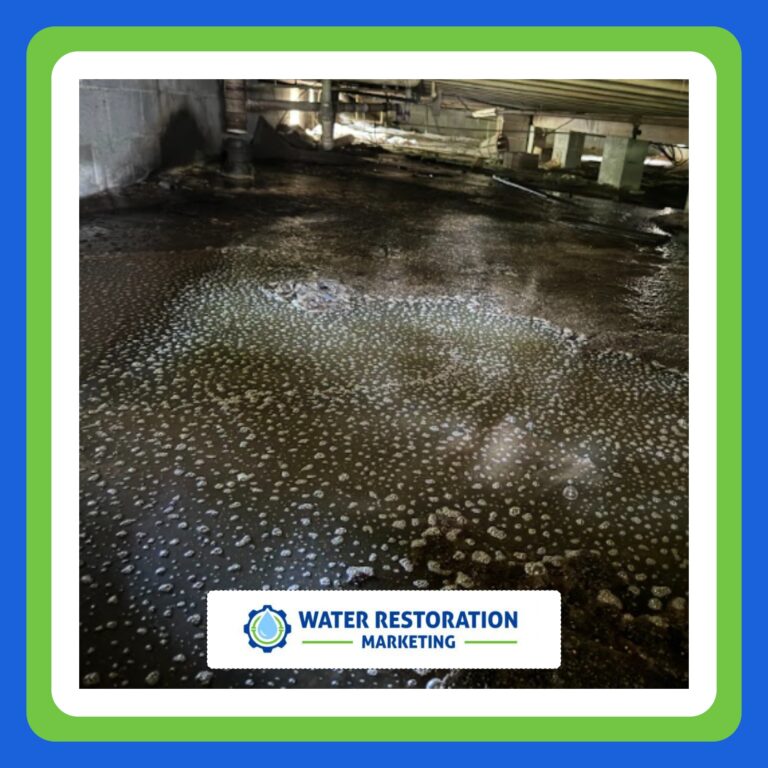
Consider using before-and-after photos to illustrate your skills and the transformative power of your work. These visuals tell a story of restoration, showcasing your expertise in a way that words alone can’t.
Incorporate videos or slideshows that highlight the process and results of your services. This captivates visitors and provides a dynamic way to convey the quality of your work.
Implement Strong Calls to Action
While your stunning visuals grab attention, strong calls to action (CTAs) guide visitors toward taking the next step. You want to guarantee your CTAs are strategically placed and use persuasive language that resonates with your audience. This will drive engagement and conversion.
- Be Clear: Use concise phrases like “Get a Free Estimate” or “Contact Us Today” that clearly outline what you want visitors to do.
- Create Urgency: Phrases like “Limited Time Offer” or “Schedule Your Service Now” can motivate users to act quickly.
- Position Wisely: Place your CTAs where they’re easily visible, such as at the top of the page or after key content, to maximize action placement.
Optimize for Mobile Devices and Local SEO
More than half of all web traffic comes from mobile devices, making it essential for restoration services to optimize their websites for these users.
Start by ensuring your site has mobile responsiveness; this means it should seamlessly adapt to various screen sizes. Test your site on different devices to ensure a smooth, user-friendly experience.
Next, focus on local SEO. Claim and optimize your local listings on platforms like Google My Business.
Accurate information, engaging photos, and customer reviews can greatly enhance your visibility in local searches. Incorporate location-specific keywords throughout your site, especially in headers and meta descriptions, to attract nearby clients.
Review
In the domain of restoration services, your website is the lighthouse guiding clients to safety amidst stormy seas. By prioritizing user experience, showcasing your services, and using striking visuals, you create a welcoming harbor for potential customers. Strong calls to action act like beacons, drawing them in, while mobile optimization and local SEO ensure you’re always within reach. Embrace these design tips, and you’ll craft a digital sanctuary where clients find hope and solutions.